Regional Differences in Dining
Regional Differences in Dining
Dining is one of the most universal human experiences, yet it is also one of the most diverse. Every region of the world carries its own rhythm of eating, its own rituals, its own expectations, and its own relationship with food. Dining is not simply about nourishment. It is about identity, memory, community, and culture. It is a reflection of history, geography, climate, and belief. It is a language spoken without words.
To understand regional differences in dining is to understand how people live. It is to understand how they gather, how they celebrate, how they comfort themselves, and how they express who they are. Dining reveals the soul of a region more clearly than any monument or museum. It is the quiet storyteller of human life.
The Meaning of Dining Across Regions
Dining carries different meanings depending on where one stands in the world. In some regions, dining is a communal act. In others, it is a private ritual. In some regions, dining is slow and reflective. In others, it is fast and functional. These differences are not accidental. They are shaped by centuries of tradition, migration, climate, and social structure.
In Mediterranean regions, dining is a celebration. Meals stretch across hours. Families gather. Conversations flow. Food is shared. The table becomes a stage for connection. In East Asian regions, dining is a balance of harmony and precision. Meals are structured. Flavours are balanced. Presentation matters. Respect is embedded in every gesture. In North American regions, dining reflects diversity. It blends cultures. It adapts quickly. It evolves with trends. In West African regions, dining is communal and expressive. It is filled with bold flavours, shared bowls, and deep cultural symbolism.
Each region carries its own dining philosophy. Each philosophy reveals how people relate to life.
The Influence of Geography
Geography shapes dining in profound ways. It determines what grows, what thrives, what survives, and what becomes part of daily life. Coastal regions embrace seafood. Mountain regions embrace hearty dishes. Tropical regions embrace fresh produce. Cold regions embrace preserved foods.
In Japan, geography creates a dining culture built around the sea. Fish, seaweed, rice, and seasonal vegetables form the foundation. In Italy, geography creates a dining culture built around fertile land. Olive oil, tomatoes, herbs, and grains shape the cuisine. In India, geography creates a dining culture built around spice routes, fertile plains, and diverse climates. Each region within the country carries its own identity.
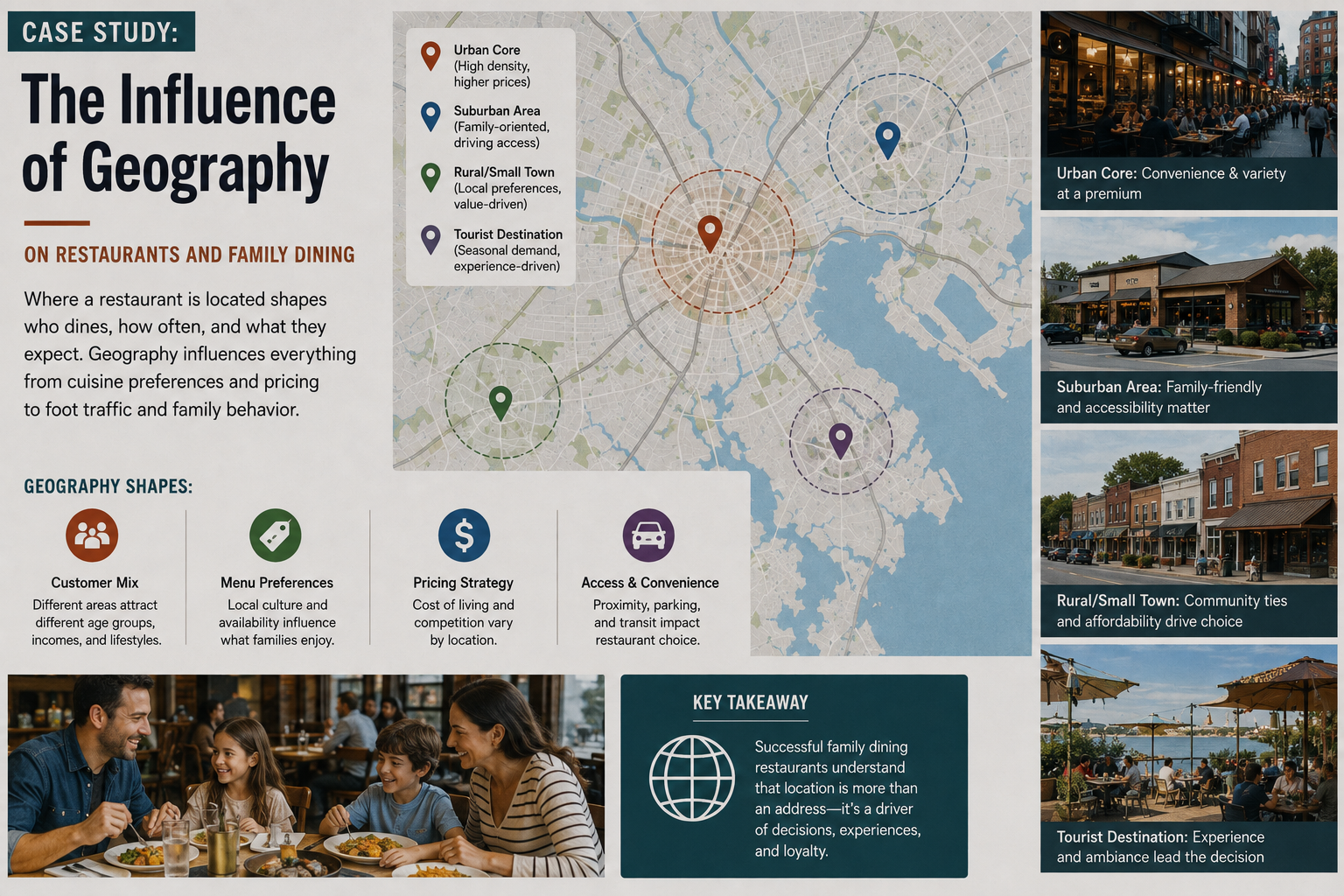
Geography does not only influence ingredients. It influences rhythm. It influences cooking methods. It influences dining rituals.
Dining is a reflection of the land.
The Role of History
History shapes dining more deeply than any other force. It carries stories of migration, trade, conflict, colonisation, and cultural exchange. It explains why certain flavours appear in unexpected places. It explains why certain dishes become symbols of identity.
In the Caribbean, dining reflects African, European, and Indigenous influences. It carries the memory of migration and resilience. In the Middle East, dining reflects centuries of trade routes. Spices, grains, and slow cooked dishes tell stories of merchants and travellers. In South America, dining reflects Indigenous traditions blended with European influence. It carries the memory of ancient agricultural systems and colonial transformation.
History is present in every dish. It is present in every flavour. It is present in every dining ritual.
Dining is a living archive.
The Social Structure of Dining
Dining reveals how societies organise themselves. It reveals how families interact. It reveals how communities connect. It reveals how people express respect, hospitality, and belonging.
In Southern Europe, dining is a social event. Meals are shared. Tables are large. Conversations are lively. Food is a bridge between generations. In East Africa, dining is communal. Meals are shared from central bowls. Eating together symbolises unity. In Northern Europe, dining is structured. Meals follow schedules. Portions are defined. Dining reflects order and simplicity.
Social structure influences how people sit, how they serve, how they share, and how they behave at the table.
Dining is a social mirror.
The Pace of Dining
Different regions dine at different speeds. Pace reveals lifestyle. Pace reveals values. Pace reveals priorities.
In France, dining is slow. Meals are savoured. Courses unfold gradually. Time is part of the experience. In the United States, dining is fast. Meals are efficient. Convenience shapes choices. Time is a resource to be managed. In Southeast Asia, dining is rhythmic. Street food culture creates quick bites, yet family meals remain slow and communal.
Pace is not simply about time. It is about intention.
Dining pace reveals how people move through life.
The Rituals of Dining
Dining rituals vary widely across regions. They reflect belief systems, cultural norms, and social expectations.
In China, dining rituals emphasise respect. Elders are served first. Dishes are shared. Chopsticks carry symbolic meaning. In Ethiopia, dining rituals emphasise connection. Injera is shared. Hands are used. Feeding another person is a gesture of love. In the Middle East, dining rituals emphasise hospitality. Guests are honoured. Food is abundant. Sharing is a cultural obligation.
Rituals transform dining from an act into an experience.
Dining rituals reveal cultural values.
The Emotional Landscape of Dining
Dining carries emotion. It carries comfort, nostalgia, celebration, and identity. These emotions differ across regions.
In Italy, dining is emotional because it connects generations. Recipes are inherited. Meals are memories. In Nigeria, dining is emotional because it reflects community. Food is shared. Flavours are bold. Meals are expressive. In Japan, dining is emotional because it reflects harmony. Presentation matters. Balance matters. Respect matters.
Dining is not only about taste. It is about feeling.
Regional differences in dining reveal emotional landscapes.
The Influence of Modernity
Modernity is reshaping dining across regions. Globalisation introduces new flavours. Technology introduces new habits. Urbanisation introduces new rhythms. Yet regional identity remains strong.
In major cities, dining becomes a blend of cultures. People eat sushi, pasta, tacos, and curry in the same week. Yet traditional dining remains alive in homes, villages, and communities. Modernity expands options but does not erase identity.
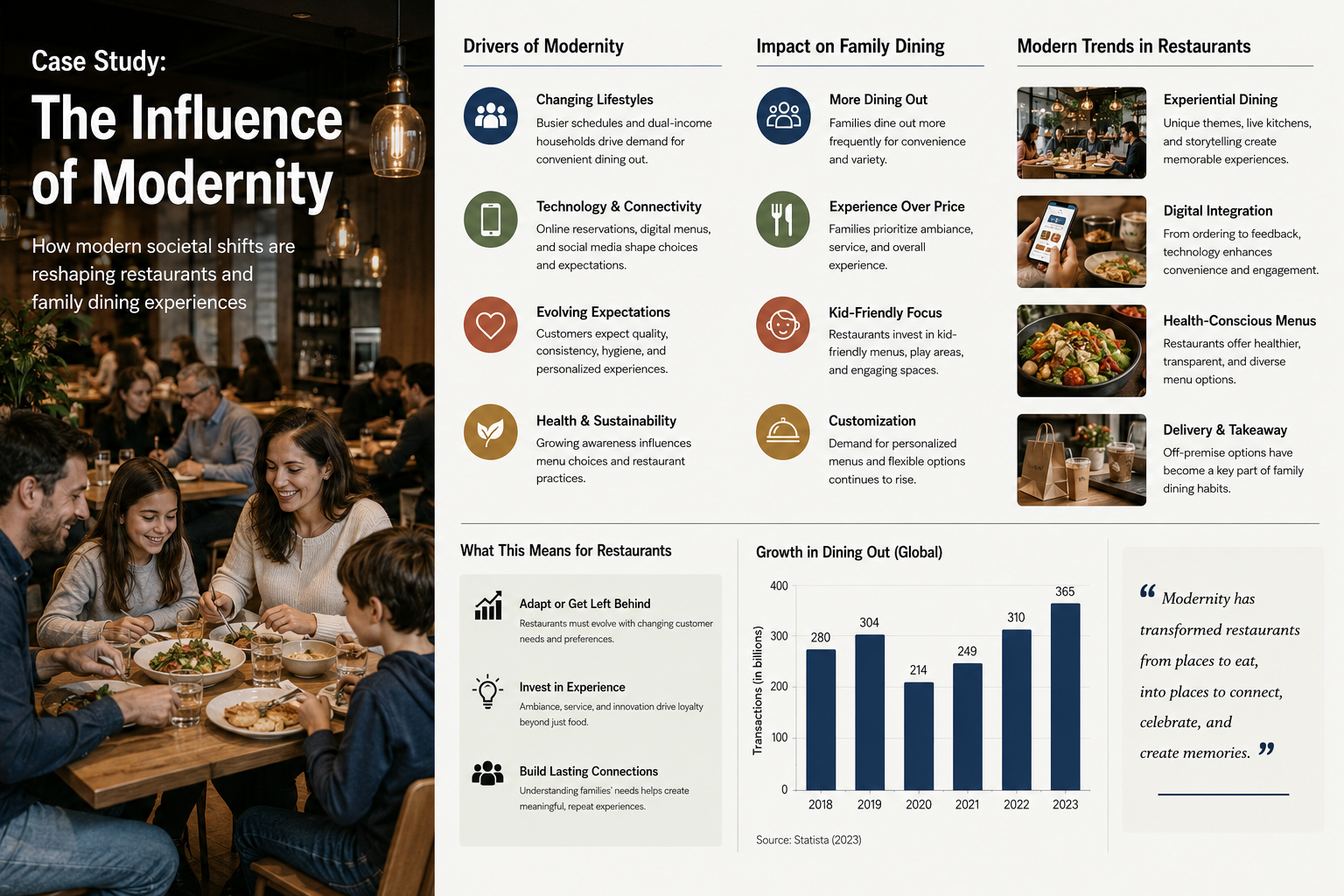
Dining evolves, but it does not forget.
The Future of Regional Dining
The future of dining will be shaped by several forces.
More fusion between regional cuisines. More emphasis on sustainability. More focus on local ingredients. More digital influence on dining trends. More global curiosity about regional food traditions. More preservation of cultural dining rituals. More awareness of food as cultural heritage.
Regional differences will remain, but they will interact more closely. Dining will become a global conversation. Yet each region will continue to speak its own culinary language.
The future of dining will be both global and local.
A Closing Reflection
Regional differences in dining reveal the diversity of human life. They show how people adapt to geography, history, climate, and culture. They show how food becomes identity. They show how dining becomes ritual. They show how meals become memories.
Dining is one of the most intimate ways to understand a region. It is a window into how people live, how they connect, how they celebrate, and how they express themselves. It is a reminder that food is not only nourishment. It is culture. It is history. It is emotion. It is community.
Regional dining differences are not barriers. They are bridges. They invite curiosity. They invite respect. They invite connection.
And they remind us that the world is vast, diverse, and beautifully human.