Rising Subscription Costs in Sports Streaming
Rising Subscription Costs in Sports Streaming: Why Fans Are Paying More for the Game
Sports used to be simple. You turned on the TV, flipped to your favorite channel, and watched the match. Today, the experience is fragmented across apps, platforms, exclusive rights deals, and subscription bundles, and the cost of keeping up is rising faster than ever.
The global sports streaming market is booming, but fans are asking a tough question: Why does watching the game now feel like a luxury?
This article breaks down the forces behind rising subscription costs, the impact on fans, and what the future of sports streaming might look like.
The Streaming Shift: When Convenience Became Complexity
Sports streaming promised freedom, watch anywhere, cancel anytime, choose what you want. But as more platforms entered the market, something changed.
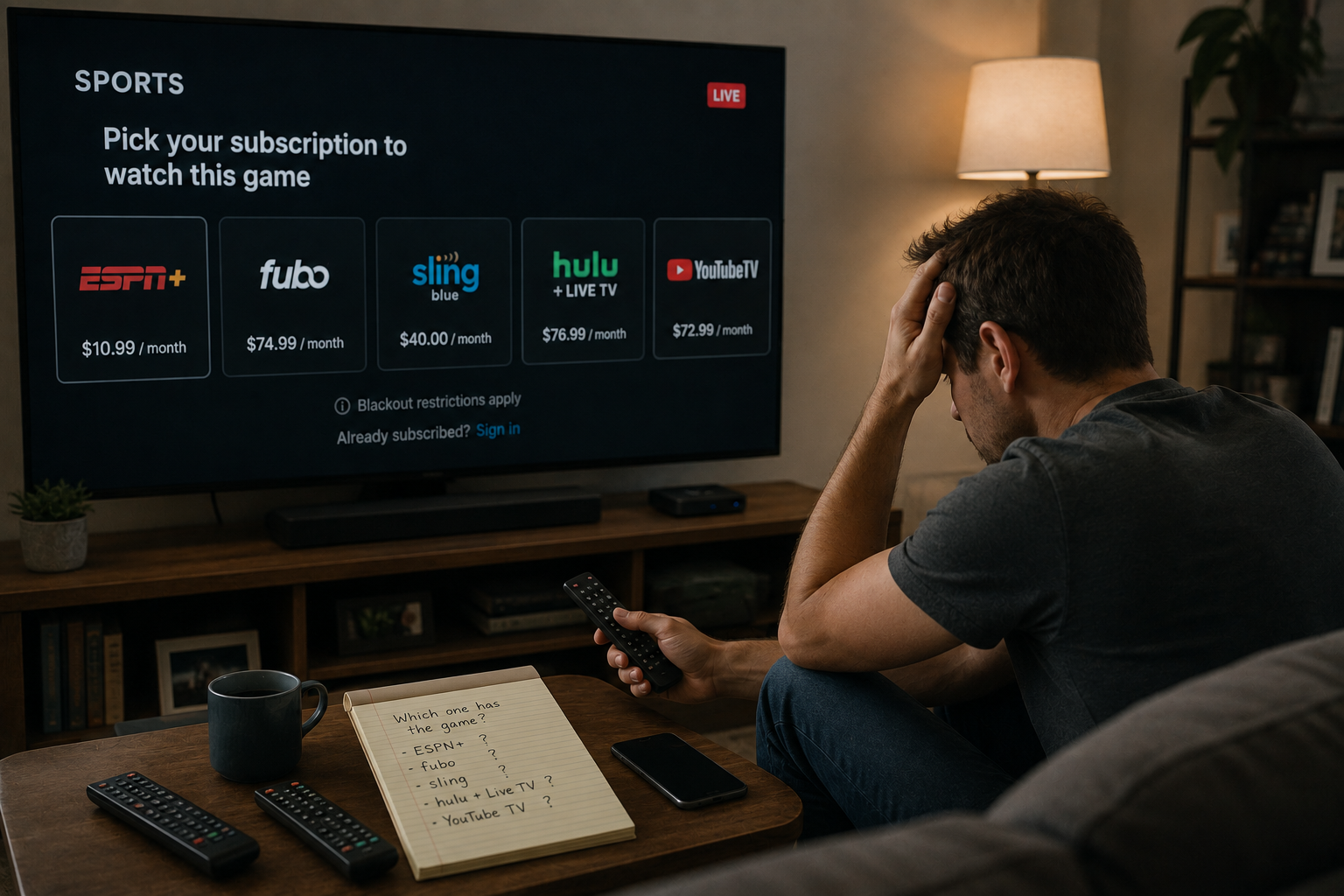
Instead of one subscription, fans now juggle:
- A football streaming app
- A basketball streaming app
- A tennis or combat sports platform
- A general entertainment service that also carries some matches
- A regional broadcaster’s digital package
The result? Convenience turned into fragmentation. Fragmentation turned into cost.
1. Why Subscription Prices Are Rising
The rise in sports streaming costs isn’t random. It’s driven by powerful economic and industry forces.
A. Exclusive Rights Deals
Streaming platforms pay billions for exclusive broadcasting rights. Those costs trickle down to subscribers.
B. Competition Among Platforms
More platforms mean more bidding wars. Higher bids mean higher subscription fees.
C. Production Quality Upgrades
Ultra‑HD streaming, multiple camera angles, interactive stats, and real-time analytics cost money.
D. Global Expansion
Platforms entering new markets invest heavily in localization, marketing, and infrastructure.
E. Bundling Strategies
Some platforms bundle sports with entertainment, raising prices to justify the package.
Sports streaming isn’t just content, it’s a high-stakes business.
2. The Fan Experience: Passion Meets Price Pressure
Sports fans are loyal. They’ll follow their team anywhere. But rising subscription costs are testing that loyalty.
Multiple Subscriptions
Fans often need two or three services just to follow one league.
Regional Restrictions
Some matches are available only in certain countries, forcing fans to use VPNs or alternative services.
Seasonal Price Spikes
Prices rise during major tournaments or playoff seasons.
Pay‑Per‑View Add‑Ons
Some platforms charge extra for premium matches or exclusive events.
The emotional connection to sports is strong, but even passion has a budget.
3. The Global Divide: Different Regions, Different Realities
Sports streaming costs vary dramatically across regions.
North America
High competition, high prices, and heavy bundling.
Europe
Fragmented rights across multiple platforms, leading to subscription stacking.
Asia-Pacific
Rapid growth, mobile-first streaming, and rising costs tied to international leagues.
Africa & Middle East
Emerging markets with rising demand but limited affordability.
Latin America
Strong fan culture but price sensitivity, leading to creative subscription strategies.
Understanding regional differences helps explain why the same match can cost wildly different amounts depending on where you live.
4. The Debate: Are Fans Paying for Innovation or Inflation?
This is where the conversation gets heated.
Innovation Argument
Supporters say higher prices fund:
- Better streaming quality
- More camera angles
- Enhanced analytics
- Improved commentary
- Global accessibility
Inflation Argument
Critics argue fans are paying for:
- Corporate bidding wars
- Overlapping rights deals
- Platform fragmentation
- Aggressive monetization
Both sides have valid points, and both shape the future of sports streaming.
5. The Rise of “Subscription Fatigue” in Sports
Subscription fatigue is real. Fans are tired of:
- Managing multiple accounts
- Paying for overlapping content
- Navigating confusing rights deals
- Missing matches due to platform exclusivity
This fatigue is pushing fans to seek alternatives:
- Shared family plans
- Seasonal subscriptions
- Free highlights platforms
- Social media streaming snippets
- Community watch parties
The market is shifting, and fans are driving the change.
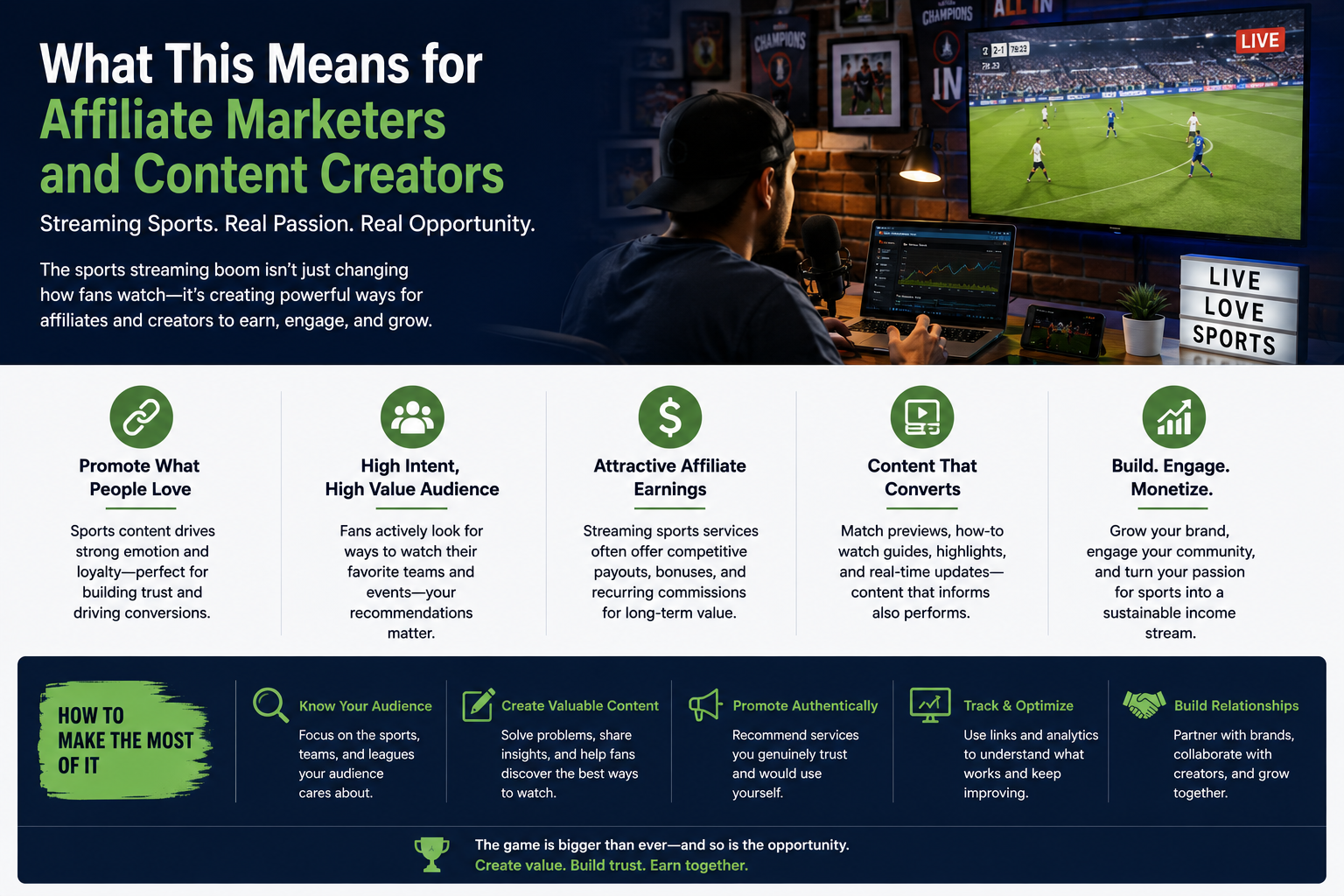
6. What This Means for Affiliate Marketers and Content Creators
Sports streaming is a goldmine for affiliate marketers, but rising costs change the strategy.
High Search Intent
Fans search for:
- “Where to watch [team]”
- “Cheapest sports streaming options”
- “Best sports streaming bundles”
- “How to watch [league] without cable”
Comparison Content Performs Best
Breakdowns of pricing, features, and regional availability attract massive traffic.
Seasonal Peaks
Major tournaments create spikes in affiliate conversions.
Trust Matters
Fans rely on creators who simplify the chaos of sports streaming.
Affiliate marketers who educate, compare, and simplify will dominate this niche.
7. What the Future of Sports Streaming Might Look Like
The industry is evolving. Expect:
Super Bundles
One subscription covering multiple leagues.
Flexible Pricing
Pay only for the matches you want.
Regional Partnerships
Localized streaming deals with tailored pricing.
AI‑Driven Personalization
Custom match feeds, personalized commentary, and interactive features.
Hybrid Models
Mixing free content with premium tiers.
The future won’t be cheaper, but it may be smarter.
Final Thought: The Game Is Changing, and So Are the Costs
Sports streaming is at a crossroads. Fans want access. Platforms want revenue. Leagues want global reach. Somewhere in the middle, subscription prices keep rising.
But here’s the inspiring part: The passion for sports is stronger than the price tag.
Fans adapt. Platforms innovate. Markets evolve. And the global love for the game continues to grow.
The challenge now is building a sports streaming ecosystem that honors both the business and the fans, because the future of sports isn’t just about who wins on the field. It’s about who wins in the experience.