Immersive Gaming Experiences: The Future of Play Has Arrived
Gaming has always been about escape, stepping into worlds where imagination becomes reality, where you’re not just a player but a hero, a strategist, a creator. But today, something extraordinary is happening. Technology is transforming gaming from a pastime into a fully immersive experience, blurring the lines between digital and physical worlds.
We’re entering an era where gaming doesn’t just entertain, it transports, connects, and empowers. Whether you’re a gamer seeking the next evolution or a tech founder building the future, immersive gaming is where innovation meets emotion.
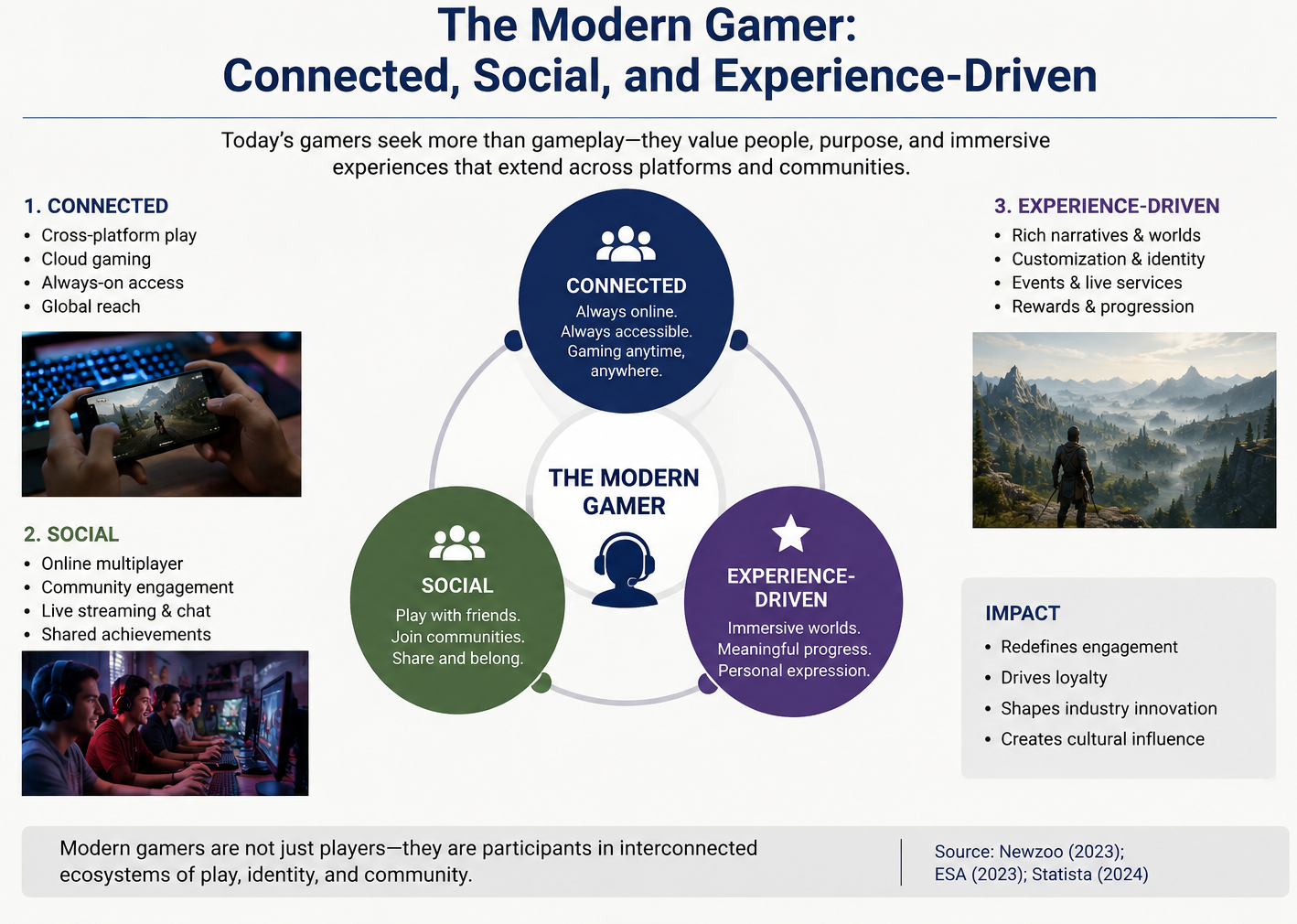
The Modern Gamer: Connected, Social, and Experience‑Driven
Today’s gamers aren’t just playing; they’re participating, collaborating, and world‑building. They want deeper stories, richer worlds, and more meaningful interactions. They want games that feel alive, responsive, intelligent, and personal.
Technology is the engine behind this shift.
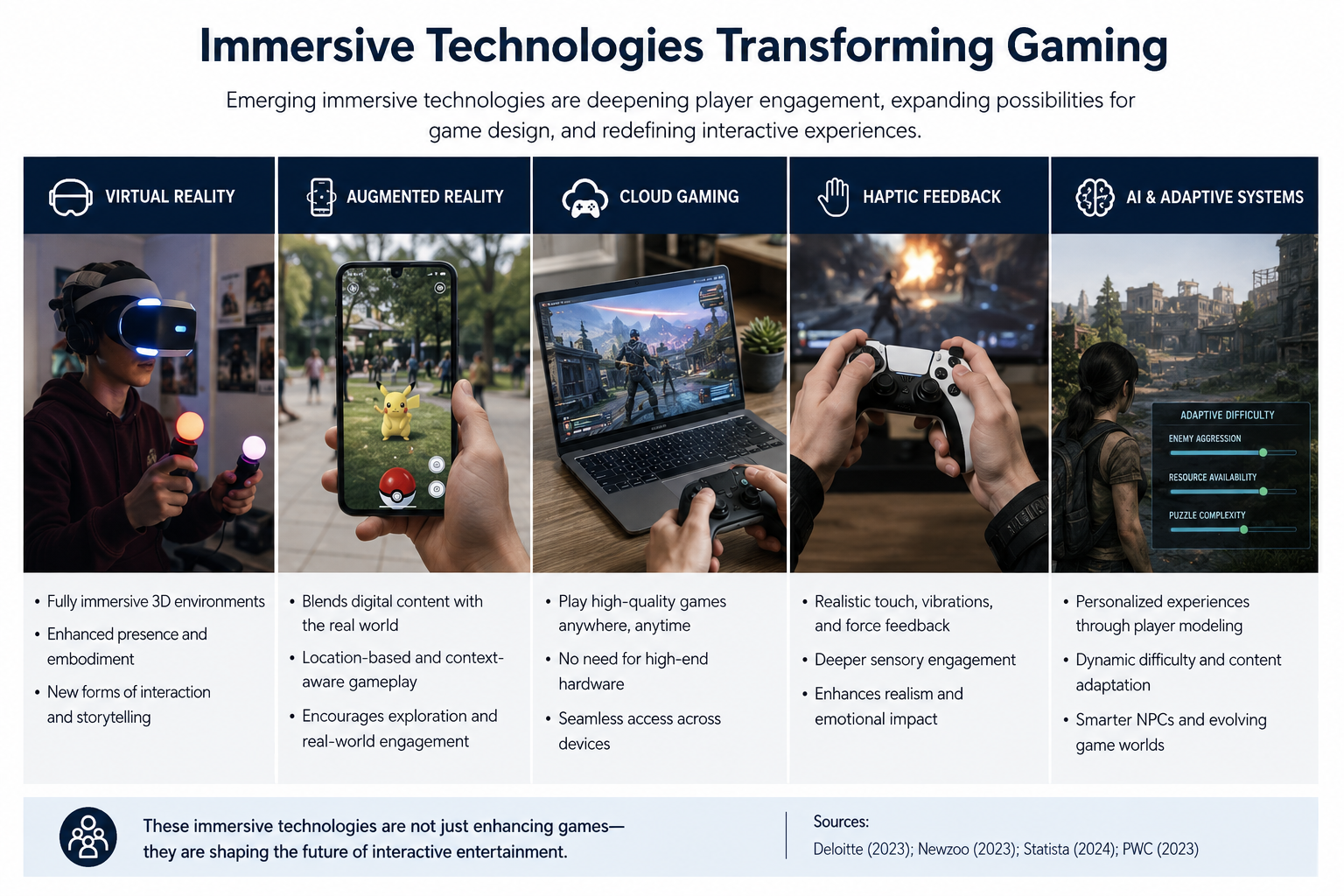
With the PlayStation 5’s haptic feedback and adaptive triggers, players don’t just see the action, they feel it. Every vibration, every resistance, every sensory cue pulls you deeper into the game world.
Xbox’s cloud gaming ecosystem allows players to jump into high‑fidelity games instantly, from any device. It’s not just convenience; it’s freedom, the ability to play anywhere, anytime.
Nintendo continues to redefine interactive play with the Switch, blending physical movement, social connection, and digital adventure.
Gamers today want more than graphics. They want immersion.
Case Study: Epic Games, Building Worlds, Not Just Games
Epic Games didn’t just create Fortnite, they created a universe. A place where millions gather not only to play but to socialize, attend concerts, watch premieres, and collaborate creatively.
Fortnite’s success is powered by:
- Real‑time world updates
- Cross‑platform play
- Massive social engagement
- Creator tools that empower players to build their own experiences
For tech founders, Epic’s journey is a reminder that the future of gaming is community‑driven, creator‑powered, and endlessly expandable.
Immersive Technologies Transforming Gaming
The gaming industry is evolving at lightning speed, driven by technologies that make experiences more lifelike, more interactive, and more emotional.
1. Virtual Reality (VR)
VR places players inside the game world. Not in front of it, inside it.
From exploring alien planets to training in virtual gyms, VR is redefining what “play” means.
2. Augmented Reality (AR)
Niantic’s Pokémon GO proved that AR can turn the real world into a playground. Millions walked, explored, and connected through a game that blended digital creatures with physical environments.
AR is becoming a powerful tool for education, fitness, exploration, and social play.
3. Cloud Gaming
Cloud gaming removes hardware limitations. High‑end games run on powerful servers and stream directly to your device.
This means:
- No downloads
- No updates
- No expensive consoles
Just instant access to immersive worlds.
4. AI‑Driven Gameplay
AI is making games smarter. Enemies adapt. Worlds evolve. Stories change based on your decisions.
AI is turning games into living ecosystems.
Case Study: Valve, The Architects of Immersion
Valve’s innovations have shaped modern gaming:
- Steam revolutionized digital game distribution
- Half‑Life Alyx set the gold standard for VR storytelling
- Steam Deck brought PC gaming into a handheld format
Valve’s approach blends hardware, software, and community ,proving that immersion is a multi‑layered experience.
The Rise of Social and Metaverse Gaming
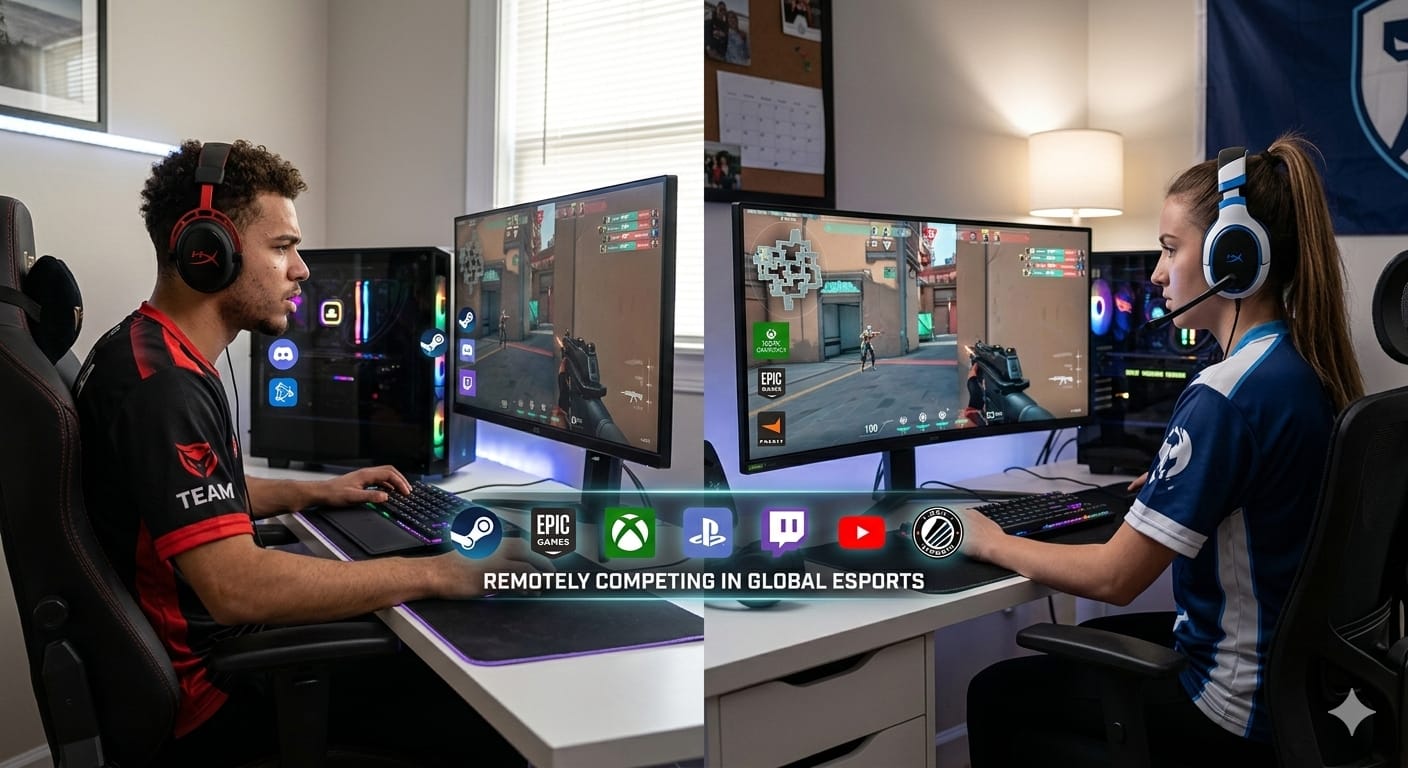
Gaming is no longer a solo activity. It’s a social universe.
Roblox and Minecraft empower players to build worlds, create games, and collaborate with millions globally.
These platforms aren’t just games, they’re digital societies.
Meta is building social VR spaces where people can meet, work, play, and create together.
The metaverse is becoming the next frontier of immersive gaming.
What This Means for Gamers
You’re entering a world where:
- Games feel more real than ever
- Your choices shape entire worlds
- You can play anywhere, on any device
- You can connect with millions globally
- You can create your own games and experiences
Immersion isn’t just a feature, it’s the future of play.
What This Means for Tech Founders
If you’re building in gaming, you’re not just creating entertainment, you’re shaping culture, connection, and creativity.
Here are the biggest opportunities:
1. Cross‑platform ecosystems
Gamers want seamless experiences across devices.
2. Creator‑powered platforms
User‑generated content is the new engine of growth.
3. AI‑driven personalization
Games that adapt to players create deeper engagement.
4. Social and community‑first design
The future of gaming is social, collaborative, and persistent.
5. Immersive hardware and sensory tech
Haptics, spatial audio, and motion tracking unlock new dimensions of play.
Gaming is one of the few industries where emotion, technology, and creativity collide beautifully. Lean into that.
The Future: Worlds That Feel Alive
Imagine a world where:
- Your game responds to your heartbeat
- Your environment changes based on your mood
- You explore worlds that feel infinite
- You collaborate with AI companions that learn from you
- You step into experiences that feel indistinguishable from reality
This future isn’t far away. It’s already unfolding.
Immersive gaming is giving entertainment a new language, one built on presence, emotion, and limitless possibility.
A Final Word: Gaming Is Human. Tech Should Be Too.
At its core, gaming is about connection ,to worlds, to stories, to people. Technology should never overshadow that. It should amplify it.
For gamers, this is your moment to explore, create, and connect. For founders, this is your moment to build boldly, thoughtfully, and with heart.
The future of gaming isn’t just immersive. It’s transformative, social, and deeply human.
Categories