Groceries and cost of livng crisis
Groceries and the Cost of Living Crisis
There are moments in history when everyday life becomes a measure of economic pressure. Not through charts or forecasts, but through simple routines. The weekly grocery run. The price of bread. The cost of milk. The total at the checkout. These small details reveal something larger. They show how families cope, how communities adapt, and how societies respond to rising financial strain. Today, groceries have become one of the clearest indicators of the global cost of living crisis.
The story of rising grocery costs is not only about inflation. It is about supply chains, climate change, labour shortages, global conflict, corporate strategy, and the shifting priorities of households. It is about how food, the most basic human need, has become a symbol of economic anxiety. It is about how people navigate a world where essentials feel increasingly out of reach.
The Everyday Shock at the Checkout
For many people, the cost of groceries is no longer a predictable part of life. Prices change frequently. Items that once felt affordable now feel expensive. The total cost of a basket rises even when the basket itself becomes smaller. People notice these changes immediately because groceries are purchased regularly. They are part of routine. They are part of survival.
This shock at the checkout is not only financial. It is emotional. It creates frustration, confusion, and sometimes fear. People begin to question how long they can sustain rising costs. They begin to adjust their habits. They begin to make choices that feel uncomfortable.
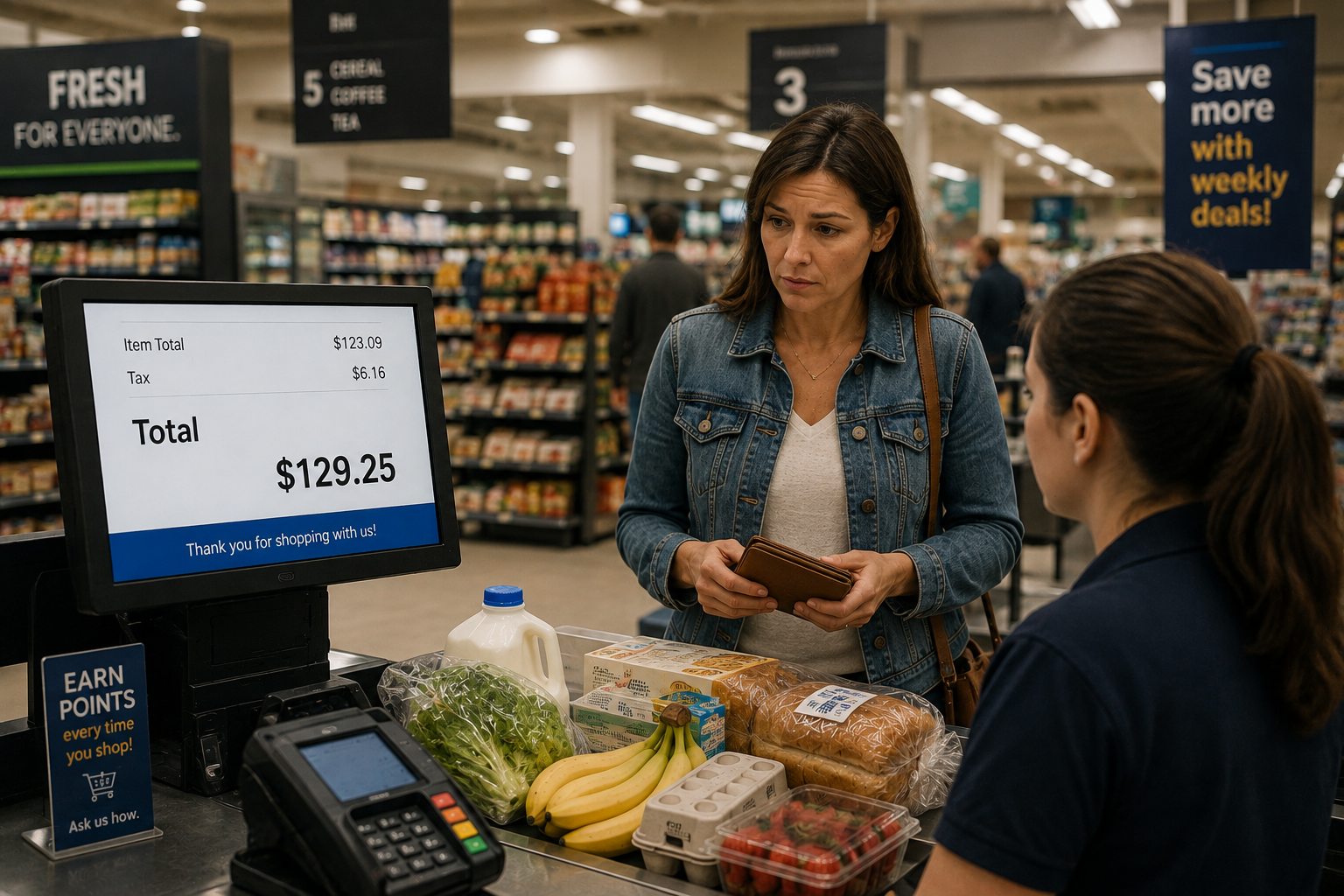
The cost of groceries has become a daily reminder of economic pressure.
The Global Nature of the Crisis
The cost of living crisis is not limited to one country. It is global. Different regions experience it in different ways, but the pattern is similar. Food prices rise. Households struggle. Governments respond. Markets adjust. Communities adapt.
In some regions, the crisis is driven by currency instability. In others, it is driven by supply chain disruptions. In others, it is driven by climate events that affect agriculture. In others, it is driven by geopolitical tensions that affect trade.
The grocery aisle has become a reflection of global instability.
The Hidden Costs Behind Rising Prices
Grocery prices do not rise randomly. They rise because the cost of producing, transporting, and selling food has increased. Several hidden factors contribute to this rise.
Agricultural costs have increased due to extreme weather, droughts, floods, and unpredictable seasons. Transport costs have increased due to fuel prices, shipping delays, and logistical bottlenecks. Labour costs have increased due to shortages, wage demands, and changing work conditions. Packaging costs have increased due to material shortages and environmental regulations. Energy costs have increased due to global market volatility.
These hidden costs accumulate. They move through the supply chain. They reach the shelves. They reach the consumer.
The grocery aisle is the final destination of a long chain of rising expenses.
The Shrinking Basket Phenomenon
One of the most noticeable effects of rising grocery costs is the shrinking basket phenomenon. People buy fewer items. They choose cheaper brands. They avoid non essentials. They reduce variety. They prioritise survival over preference.
This shrinking basket reflects a deeper shift. It shows how households adapt to financial pressure. It shows how people make trade offs. It shows how consumption patterns change.
The shrinking basket is not only a financial adjustment. It is a cultural shift.
The Rise of Budget Conscious Shopping
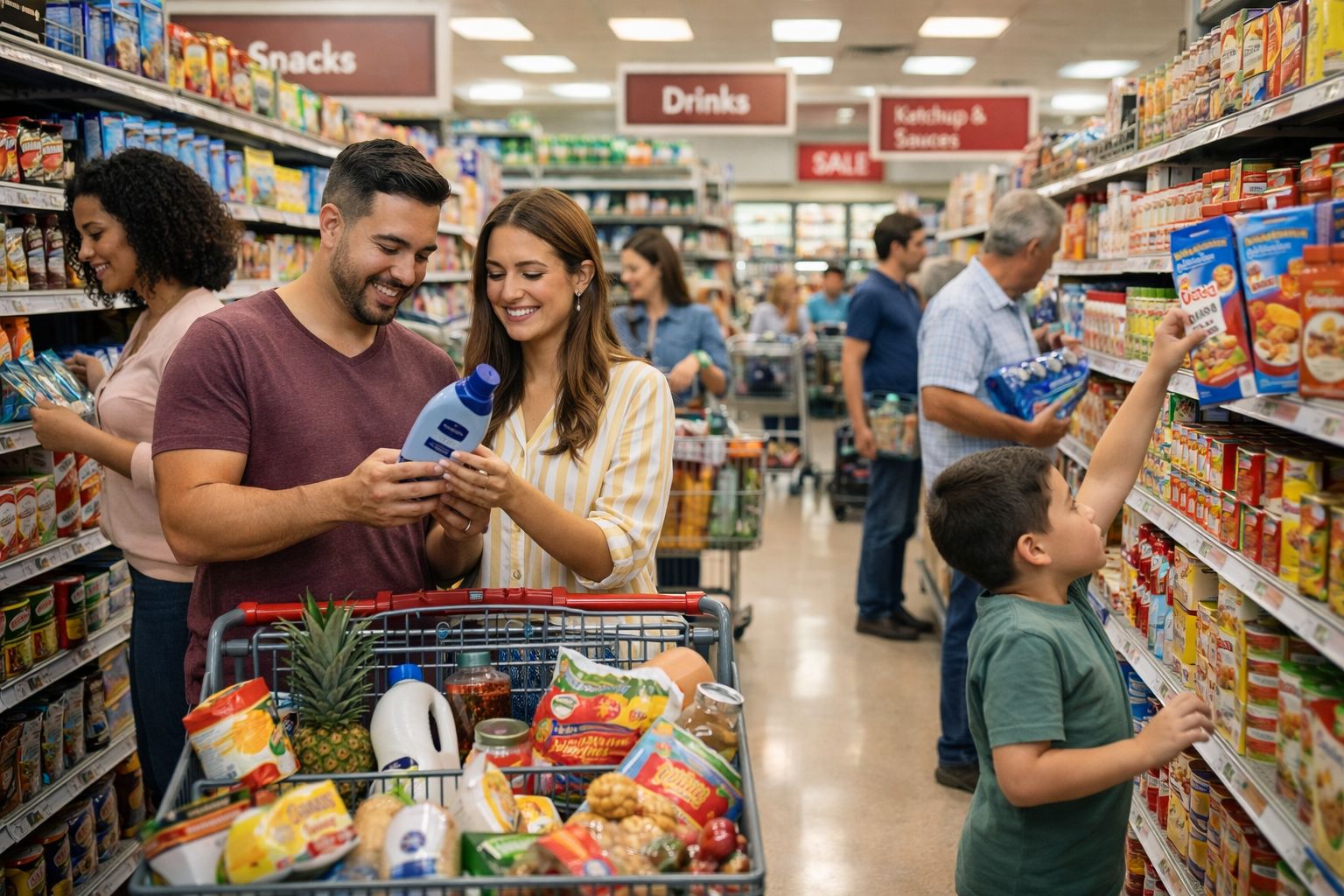
Budget conscious shopping has become a global trend. People compare prices more carefully. They seek discounts. They visit multiple stores. They buy in bulk when possible. They choose store brands over premium brands. They track spending more closely.
This shift has changed the grocery market. Stores promote loyalty programs. Brands offer smaller packaging. Platforms highlight deals. Consumers become more strategic.
Budget conscious shopping is not a temporary behaviour. It is becoming a long term habit.
The Emotional Weight of Food Choices
Food is not only a necessity. It is emotional. It carries cultural meaning. It reflects identity. It shapes family traditions. When grocery prices rise, people feel the emotional impact.
Parents worry about providing nutritious meals. Students worry about affording basics. Elderly people worry about fixed incomes. Families worry about celebrations that require food. Communities worry about access to fresh produce.
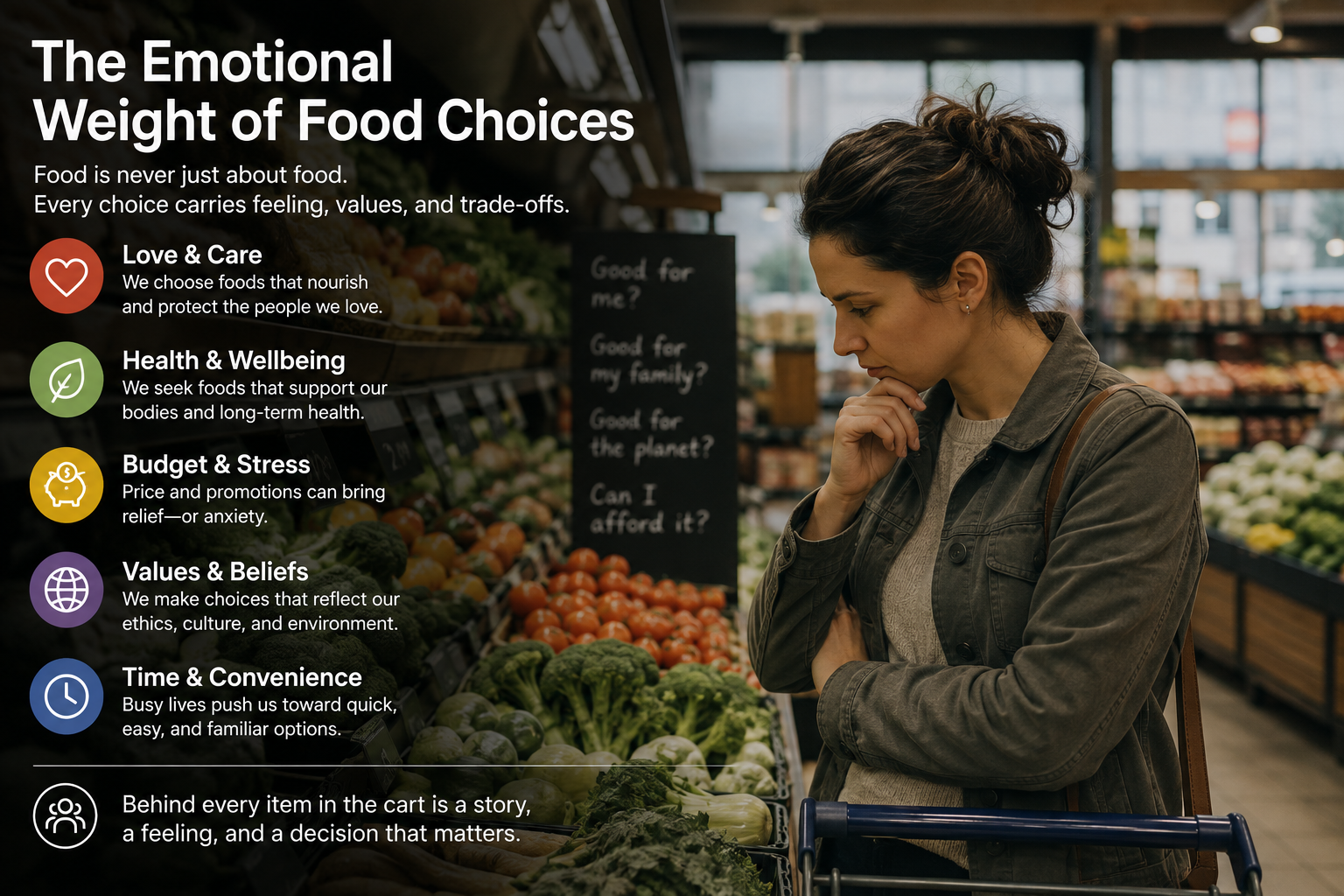
The cost of living crisis affects more than budgets. It affects dignity, comfort, and emotional wellbeing.
The Inequality Within the Crisis
Rising grocery costs do not affect everyone equally. Households with higher incomes can absorb the increase. Households with lower incomes struggle. The crisis exposes inequality.
Some families skip meals. Some rely on food banks. Some reduce nutritional quality. Some face difficult choices between food and other essentials. Some experience food insecurity for the first time.
The grocery aisle reveals the divide between those who can cope and those who cannot.
The Role of Grocery Retailers
Grocery retailers play a significant role in the cost of living crisis. They decide pricing strategies. They negotiate with suppliers. They manage inventory. They respond to market conditions.
Some retailers try to keep prices stable. Others raise prices aggressively. Some offer discounts. Others reduce product sizes. Some invest in local sourcing. Others rely on global supply chains.
Retailers influence how the crisis feels at the consumer level. Their decisions shape the experience of millions of households.
The Impact on Small Producers
Small producers face their own challenges. They deal with rising costs, limited resources, and competitive pressure from large corporations. They struggle to maintain profit margins. They struggle to access markets. They struggle to survive.
When small producers suffer, local food culture suffers. Diversity suffers. Community resilience suffers. The cost of living crisis affects not only consumers but also the people who grow, produce, and supply food.
The future of food depends on the survival of small producers.
The Search for Alternatives
As grocery prices rise, people explore alternatives. They visit local markets. They join community supported agriculture programs. They grow their own vegetables. They share resources with neighbours. They reduce waste. They cook more at home.
These alternatives reflect creativity and resilience. They show how communities adapt. They show how people find solutions even in difficult times.
The cost of living crisis is shaping new food habits.
The Future of Grocery Pricing
The future of grocery pricing will be shaped by several forces.
More investment in sustainable agriculture. More focus on local supply chains. More innovation in food technology. More government intervention in pricing. More transparency in supply chains. More digital tools for price comparison. More community based food solutions. More pressure on retailers to justify price increases.
The future will not eliminate rising costs. It will manage them more intelligently.
A Closing Reflection
Groceries and the cost of living crisis reveal something profound about society. They show how economic pressure enters daily life. They show how families adapt. They show how communities respond. They show how global events affect local realities.
Food is the most basic human need. When its cost rises, everything else feels uncertain. Yet people continue to find ways to cope. They continue to adjust. They continue to support each other. They continue to believe in resilience.
The cost of living crisis is not only a financial challenge. It is a human challenge. It requires empathy, creativity, and collective action. It requires a new understanding of value. It requires a commitment to ensuring that food remains accessible to all.
Groceries tell the story of the crisis. They also tell the story of human strength.