International Retail Franchise Models: How Local Entrepreneurs Scale Global Dreams
The world’s biggest retail didn’t grow by accident. They expanded because they understood something powerful: local entrepreneurs know their markets better than any global headquarters ever could. That insight gave rise to one of the most transformative business strategies of the digital era,the international retail franchise model.
Today, this model is empowering founders, strengthening local economies, and accelerating global commerce. It’s not just a business structure; it’s a bridge between global innovation and local opportunity.
The Retail Revolution: Why Franchising Became the Next Frontier
Traditional franchising was built for restaurants, retail stores, and service businesses. But as digital retail exploded, a new question emerged:
How can a global retail scale into dozens of countries without losing cultural relevance?
The answer was simple: Partner with local operators who understand the terrain.
International retail franchising allows global brands to:
- Expand rapidly
- Reduce operational risk
- Localize effectively
- Build trust through regional expertise
- Create shared value across borders
It’s a model where global infrastructure meets local intelligence, and the results can be extraordinary.
How Retail Franchising Works (The Simple Version)
At its core, the model is straightforward:
Global Brand Provides
- Technology platform
- Retail architecture
- Brand identity
- Operational playbooks
- Training and support
- Marketing frameworks
Local Franchise Partner Provides
- Market knowledge
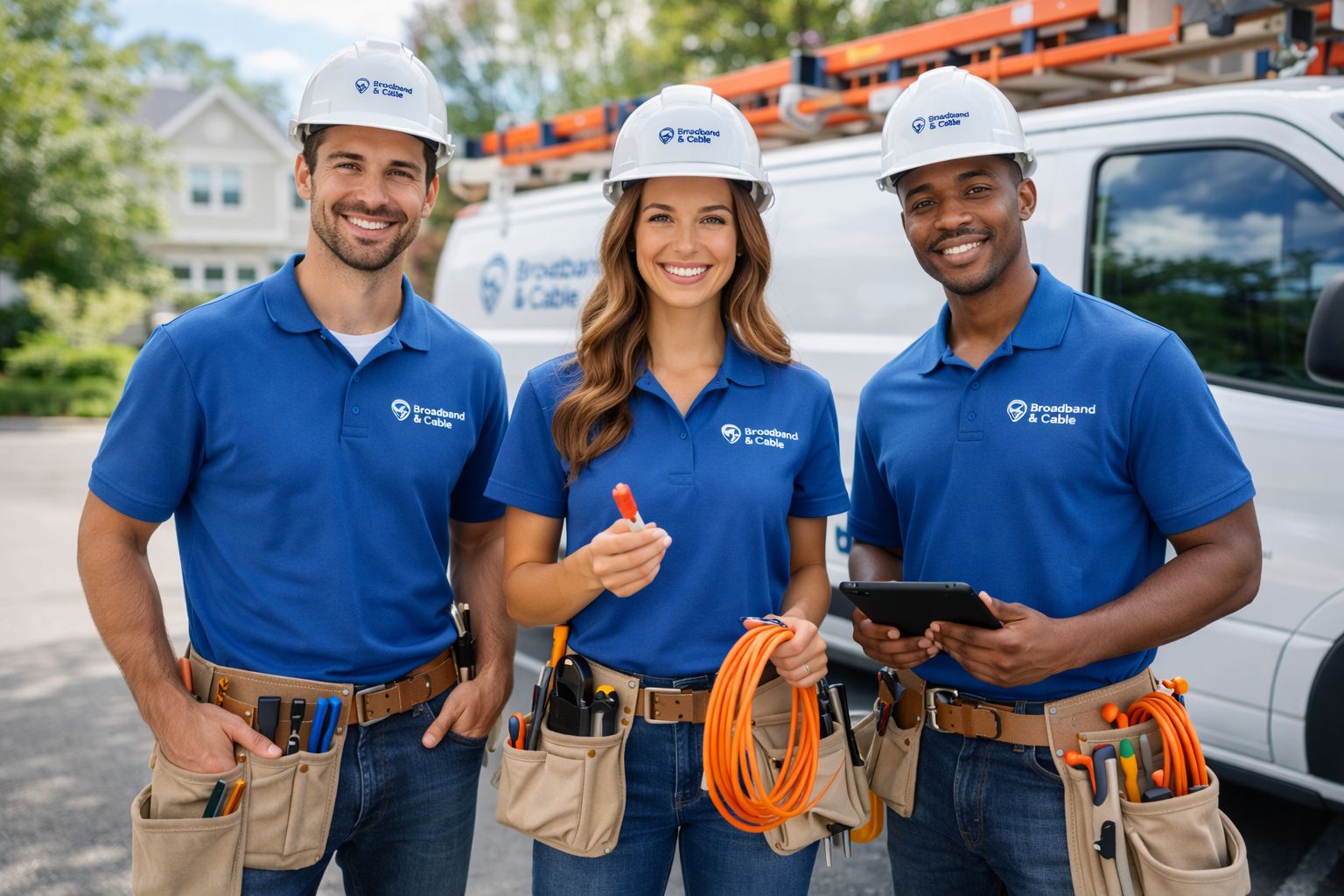
- Local team and operations
- Customer acquisition
- Vendor onboarding
- Compliance and regulatory navigation
- Cultural adaptation
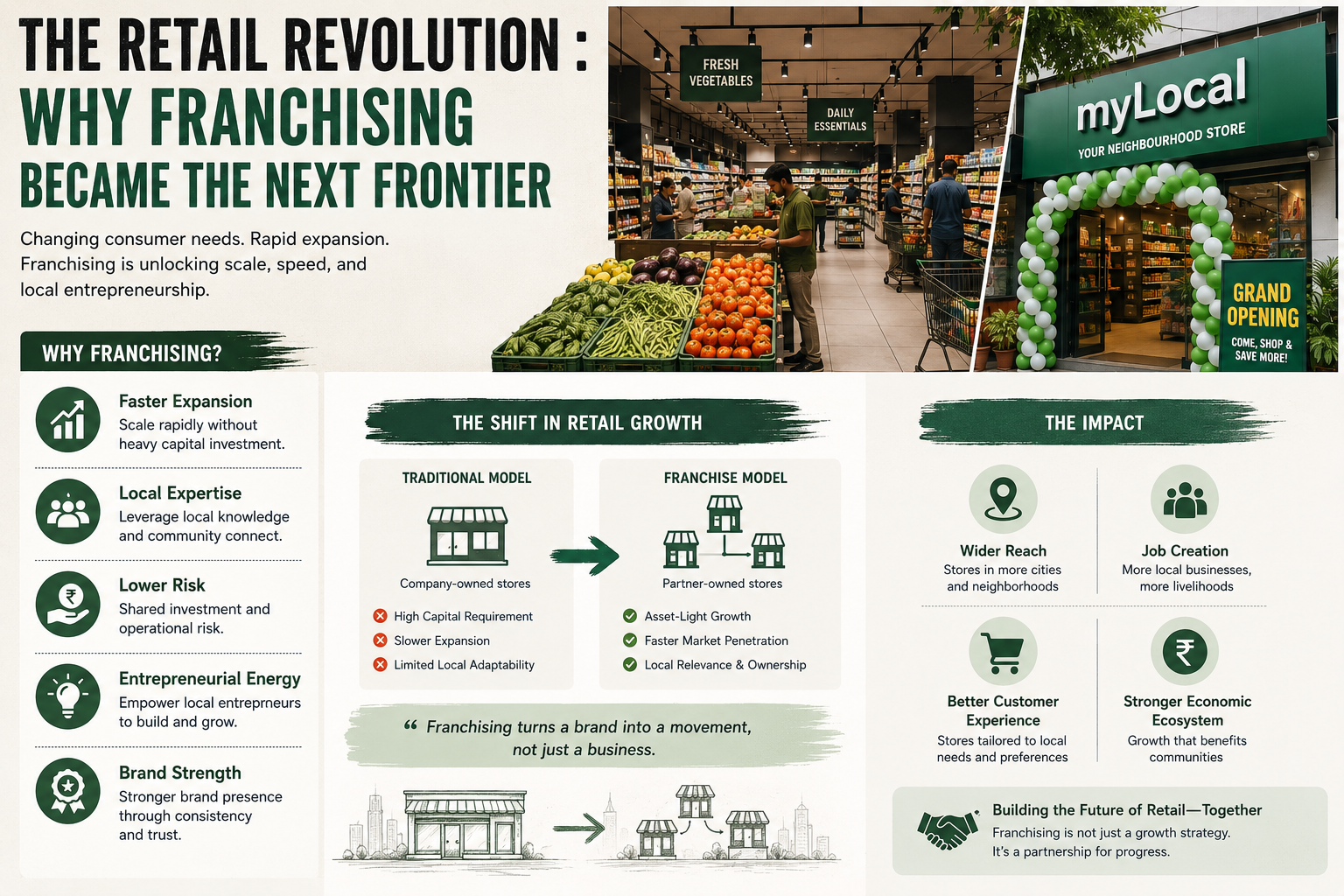
Together, they build a retail that feels global in quality but local in experience.
Why This Model Is Exploding Worldwide
The rise of international retail franchising is driven by several powerful forces:
Digital Adoption
More people are buying, selling, and booking online than ever before.
Entrepreneurial Demand
Founders want proven business models they can localize and scale.
Global Brand Ambition
Retail companies want to expand without building entire teams in every country.
Economic Opportunity
Franchising creates jobs, supports small businesses, and strengthens digital ecosystems.
Cultural Relevance
Local operators ensure the retail speaks the language, literally and figuratively, of the region.
This combination makes franchising one of the most resilient and scalable expansion strategies in the digital economy.
The Three Major Franchise Models in Global Retail
Every retail franchise falls into one of these categories, each with its own strengths and challenges.
A. The Full‑Stack Franchise Model
The franchisee runs everything locally:
- Customer support
- Vendor onboarding
- Marketing
- Operations
- Compliance
The global brand provides the platform and guidelines, but the local partner drives the market.
Best for: Countries with strong entrepreneurial ecosystems and diverse cultural needs.
B. The Hybrid Franchise Model
Responsibilities are shared:
- Global brand handles tech, major marketing, and product updates
- Local partner manages sales, onboarding, and regional adaptation
This model balances consistency with flexibility.
Best for: Markets where brand recognition is strong but local nuance still matters.
C. The Licensing Model
The simplest version:
- Local partner licenses the retail technology
- Builds their own brand identity
- Operates independently with minimal oversight
This model is fast, lightweight, and ideal for emerging markets.
Best for: Regions where speed matters more than brand uniformity.
The Real Power of Retail Franchising: Localisation
Global retail fail when they assume every country behaves the same. Franchising solves that problem beautifully.
Local partners understand:
- Payment habits
- Cultural buying patterns
- Regulatory requirements
- Logistics challenges
- Customer expectations
- Vendor motivations
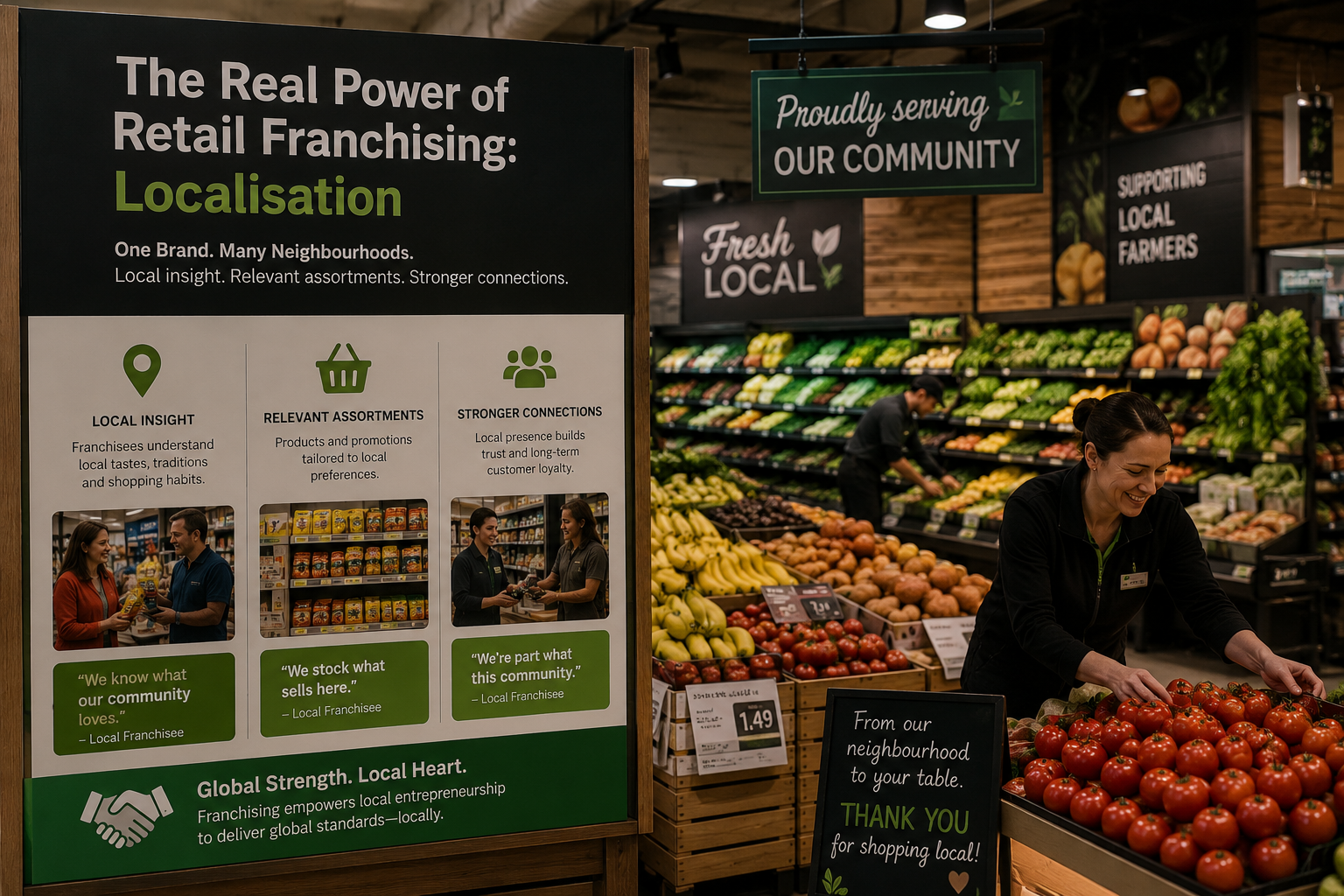
This knowledge transforms retail from “foreign” to “familiar.”
And familiarity drives adoption.
The Entrepreneur’s Advantage: Why Founders Love This Model
For local entrepreneurs, retail franchising is a dream scenario:
1. Lower Risk
You’re not building a retail store from scratch, you’re scaling a proven system.
2. Faster Launch
Technology, branding, and playbooks are ready from day one.
3. Built‑In Trust
Consumers trust global brands more than unknown startups.
4. Access to Expertise
You gain mentorship, training, and operational support.
5. Scalable Revenue
Retail grow exponentially when executed well.
This model gives founders the freedom to innovate locally while benefiting from global strength.
The Global Brand’s Advantage: Why Companies Choose Franchising
For global retail companies, franchising offers:
1. Rapid Expansion
Dozens of countries can be launched simultaneously.
2. Lower Operational Cost
No need to hire full teams in every region.
3. Cultural Adaptation
Local partners ensure relevance and authenticity.
4. Shared Risk
Franchisees invest in their own markets.
5. Stronger Global Footprint
The brand becomes truly international, not just available in multiple countries.
It’s a win‑win model that scales without sacrificing quality.
The Challenges: What Both Sides Must Navigate
No model is perfect. Retail franchising comes with real challenges:
Brand Consistency
Local partners must maintain global standards.
Technology Alignment
Updates must be synchronized across regions.
Regulatory Complexity
Each country has unique laws around retail.
Cultural Missteps
Poor localisation can damage trust.
Operational Discipline
Franchisees must follow the playbook while innovating responsibly.
Success requires collaboration, communication, and shared vision.
The Future: Retail Franchising Will Shape Global Commerce
The next decade will see:
- More retail expanding through franchise models
- More entrepreneurs building regional digital ecosystems
- More cross‑border commerce
- More hybrid models blending tech, culture, and entrepreneurship
- More opportunities for founders in emerging markets
Retail franchising is becoming the backbone of global digital expansion, and the gateway for local entrepreneurs to build world‑class businesses.
Final Thought: Global Vision Needs Local Hands
International retail franchise models prove something powerful:
Global success is built locally.
When global innovation meets local expertise, retail doesn't just expand, they thrive. They become engines of opportunity, bridges between cultures, and platforms where entrepreneurs can build futures that once felt out of reach.
This is more than a business model. It’s a movement, one that empowers founders, strengthens communities, and reshapes global commerce.
Categories