Research Funding Challenges
Research is the quiet engine of human progress. It shapes medicine, technology, education, agriculture, climate science, and every field that depends on discovery. Yet behind every breakthrough lies a struggle that is often invisible to the public. Researchers around the world face a growing challenge that threatens the pace of innovation. The challenge is funding. Not just the amount of funding, but the structure, the accessibility, the politics, and the expectations attached to it.
The story of research funding is not only about money. It is about ambition, uncertainty, and the fragile relationship between curiosity and resources. It is about how societies decide what knowledge is worth pursuing. It is about the tension between long term exploration and short term results. It is about the future of discovery.
The Weight of Competition
Research funding has always been competitive, but the level of competition today is unprecedented. Universities, laboratories, independent researchers, and private institutions all compete for limited grants. The number of applicants grows every year, while the pool of available funding does not grow at the same pace.
This competition creates pressure. Researchers spend months preparing proposals, refining ideas, and predicting outcomes. They must convince committees that their work is valuable, feasible, and urgent. They must demonstrate potential impact before the research even begins. Many researchers spend more time applying for funding than conducting research.
The competition is not only intense. It is exhausting.
The Burden of Uncertainty
Research is unpredictable by nature. It requires exploration, experimentation, and patience. Yet funding systems often demand certainty. They ask researchers to outline expected results, timelines, and measurable outcomes. They ask for clarity in fields where clarity does not exist.
This creates a conflict. Researchers must present their work as predictable even when they know it is not. They must promise outcomes that may not materialise. They must shape their proposals to fit the expectations of funding bodies rather than the natural direction of inquiry.
Uncertainty is essential to discovery, but it is treated as a weakness in funding applications.
The Influence of Politics
Research funding is often shaped by political priorities. Governments allocate resources based on national interests, economic goals, and public opinion. This means that some fields receive abundant support while others struggle for recognition.
Medical research may receive strong funding during health crises. Climate research may gain attention when environmental concerns rise. Technology research may flourish when innovation becomes a political agenda. Meanwhile, fields like social sciences, humanities, and fundamental science may be overlooked because their impact is less immediate or less visible.
Politics does not only influence what gets funded. It influences how research is framed. Researchers may adjust their proposals to align with political narratives. They may emphasise certain outcomes to appeal to policymakers. They may avoid topics that feel controversial.
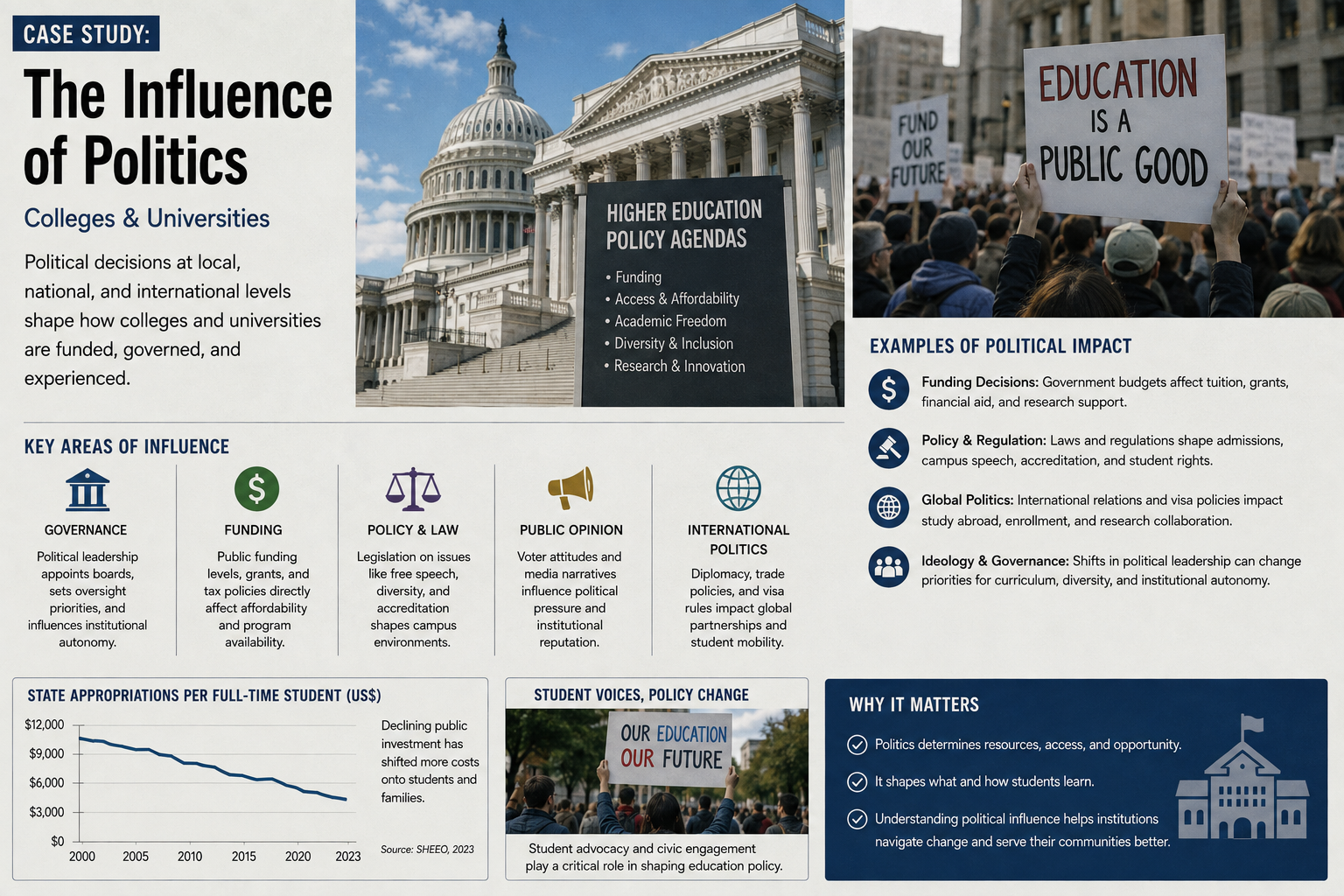
The relationship between research and politics is delicate. It can empower discovery, but it can also distort it.
The Pressure to Produce
Modern research funding systems often reward results rather than exploration. Researchers are expected to publish frequently, produce measurable outcomes, and demonstrate impact within short time frames. This pressure can limit creativity. It can discourage long term projects. It can push researchers toward safe topics rather than bold ideas.
The pressure to produce also affects mental health. Many researchers experience stress, burnout, and self doubt. They feel that their value is measured by output rather than insight. They feel that their curiosity is constrained by deadlines and metrics.
Research thrives when curiosity is free. Funding systems often restrict that freedom.
The Inequality Within Research Funding
Not all researchers face the same challenges. Funding inequality exists across regions, institutions, and demographics.
Researchers in developing countries often struggle with limited infrastructure, fewer grant opportunities, and lower visibility in global academic networks. They may have brilliant ideas but lack the resources to pursue them.
Early career researchers face barriers because they have fewer publications and less experience. They must compete with established researchers who have stronger track records.
Women and minority researchers often face systemic biases that affect grant decisions. Their proposals may be judged differently. Their achievements may be undervalued. Their opportunities may be limited.
Funding inequality does not only affect individuals. It affects the diversity of ideas in global research.
The Role of Private Funding
Private funding has become increasingly important in research. Corporations, philanthropists, foundations, and venture capital firms support projects that align with their interests. This can accelerate innovation, especially in fields like technology, medicine, and environmental science.
However, private funding also introduces new challenges. It may prioritise profit driven research over public interest research. It may influence the direction of scientific inquiry. It may create dependency on corporate agendas.
Private funding can empower discovery, but it can also shape it in ways that reflect commercial priorities rather than societal needs.
The Challenge of Interdisciplinary Research
Many of the world’s most important problems require interdisciplinary solutions. Climate change, public health, artificial intelligence, and social inequality all demand collaboration across fields. Yet funding systems often favour traditional disciplines. Interdisciplinary proposals may be harder to evaluate. They may fall between categories. They may require committees with diverse expertise.
Researchers who pursue interdisciplinary work often struggle to find funding that recognises the complexity of their approach. They must justify their work to multiple audiences. They must navigate different expectations. They must prove that their integration of fields is not a weakness but a strength.
Interdisciplinary research is essential for the future, yet funding systems are slow to adapt.
The Global Divide in Research Investment
Countries invest in research at different levels. Some nations dedicate significant resources to scientific advancement. Others struggle to allocate funds due to economic constraints. This creates a global divide in innovation.
Countries with strong research investment produce more discoveries, attract more talent, and build stronger industries. Countries with limited investment rely on external research, which may not address local needs.
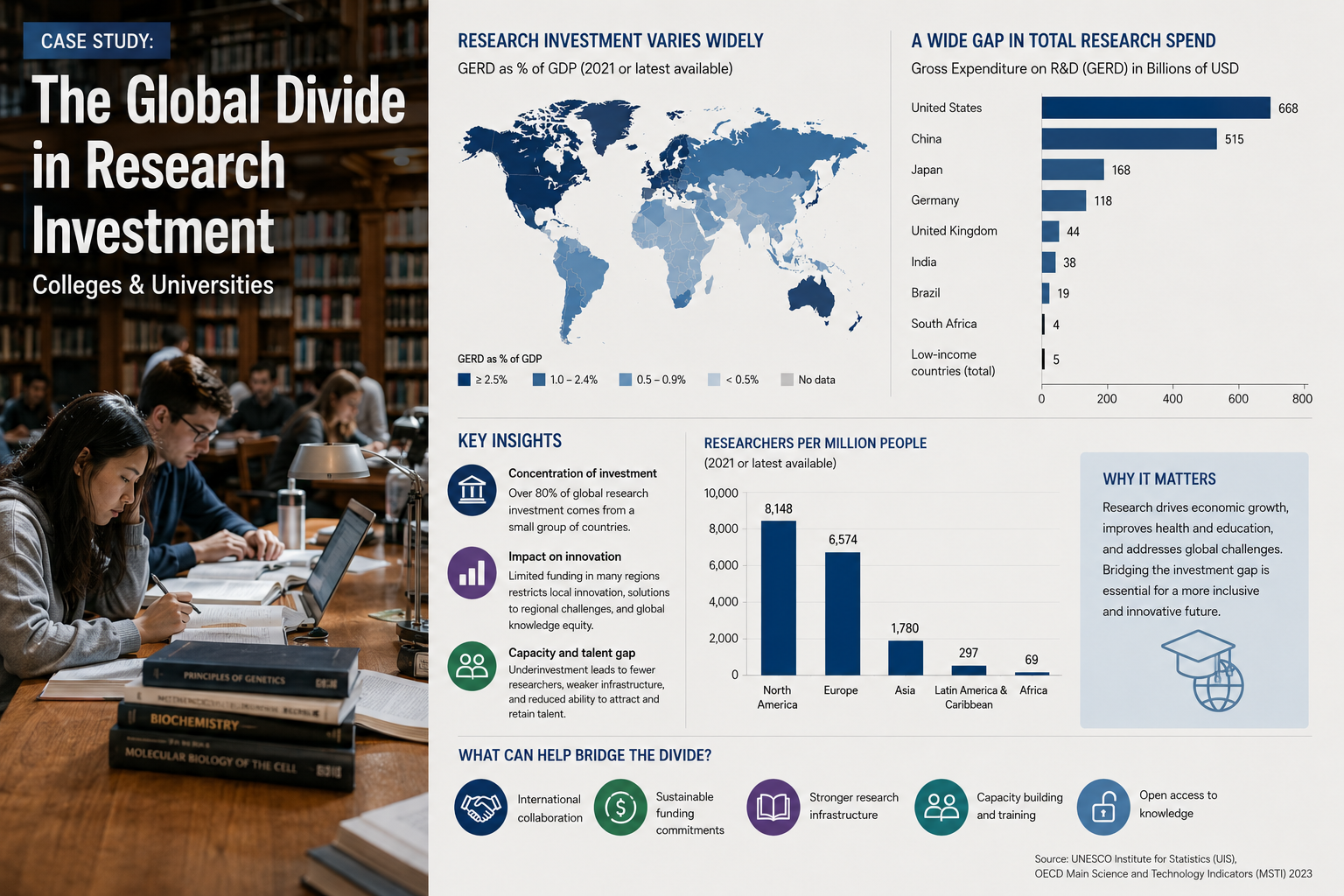
This divide affects global progress. It limits the diversity of scientific perspectives. It slows the development of solutions that require global collaboration.
Research funding is not only a national issue. It is a global responsibility.
The Future of Research Funding
The future of research funding will depend on how societies choose to value knowledge. Several trends are likely to shape the next era of discovery.
There will be more emphasis on transparency in funding decisions. There will be more support for long term projects that require patience. There will be more recognition of interdisciplinary research. There will be more investment in emerging markets. There will be more collaboration between public and private sectors. There will be more focus on ethical and socially responsible research. There will be more digital tools that simplify grant applications. There will be more global partnerships that share resources.
The future of research funding will require courage. It will require imagination. It will require a willingness to invest in ideas that may not produce immediate results but may change the world.
A Closing Reflection
Research funding challenges are not simply administrative problems. They are reflections of how societies value knowledge. They reveal the tension between curiosity and structure, ambition and limitation, exploration and expectation.
Researchers continue to push forward despite these challenges. They continue to explore, question, and discover. They continue to believe in the power of knowledge. Their resilience is a reminder that discovery is not driven by money alone. It is driven by passion, persistence, and the human desire to understand.
The future of research depends on how well we support that desire. It depends on how we choose to invest in ideas that shape the world. It depends on how we balance structure with freedom.
Research is the foundation of progress. Funding is the foundation of research. The world must strengthen both.
Categories