Affordable Electronics Debates: Why Budget Tech Is Reshaping the Future
For years, the tech world was defined by a simple belief: the more expensive the gadget, the better the experience. But today, that belief is being challenged everywhere, in living rooms, classrooms, offices, and online communities. Affordable electronics have stepped into the spotlight, sparking debates about quality, value, innovation, and accessibility.
This isn’t just a conversation about price. It’s a conversation about who gets to participate in the digital world.
The Rise of Budget Tech: More Than a Trend
Affordable electronics used to be seen as “entry-level” or “temporary solutions.” Now they’re becoming legitimate alternatives to premium devices. Why?
- Manufacturing costs have dropped
- Component quality has improved
- Software optimisation has become smarter
- Competition has exploded
- Consumers are more informed than ever
Budget tech is no longer the “cheap option.” It’s the smart option for millions.
The Quality Debate: Can Affordable Electronics Compete?
This is the heart of the conversation.
Performance vs Price
Many budget devices now deliver performance that was premium just a few years ago. Faster processors, better displays, longer battery life, all at a fraction of the cost.
Durability Concerns
Critics argue that cheaper devices don’t last as long. Supporters counter that rapid innovation makes long-term ownership less important.
Software Support
Premium brands often offer longer updates. Budget brands are catching up, but the gap still fuels debate.
The Big Question
Is it better to buy one expensive device every 5 years, or three affordable devices that evolve with technology?
There’s no universal answer, and that’s what makes the debate so interesting.
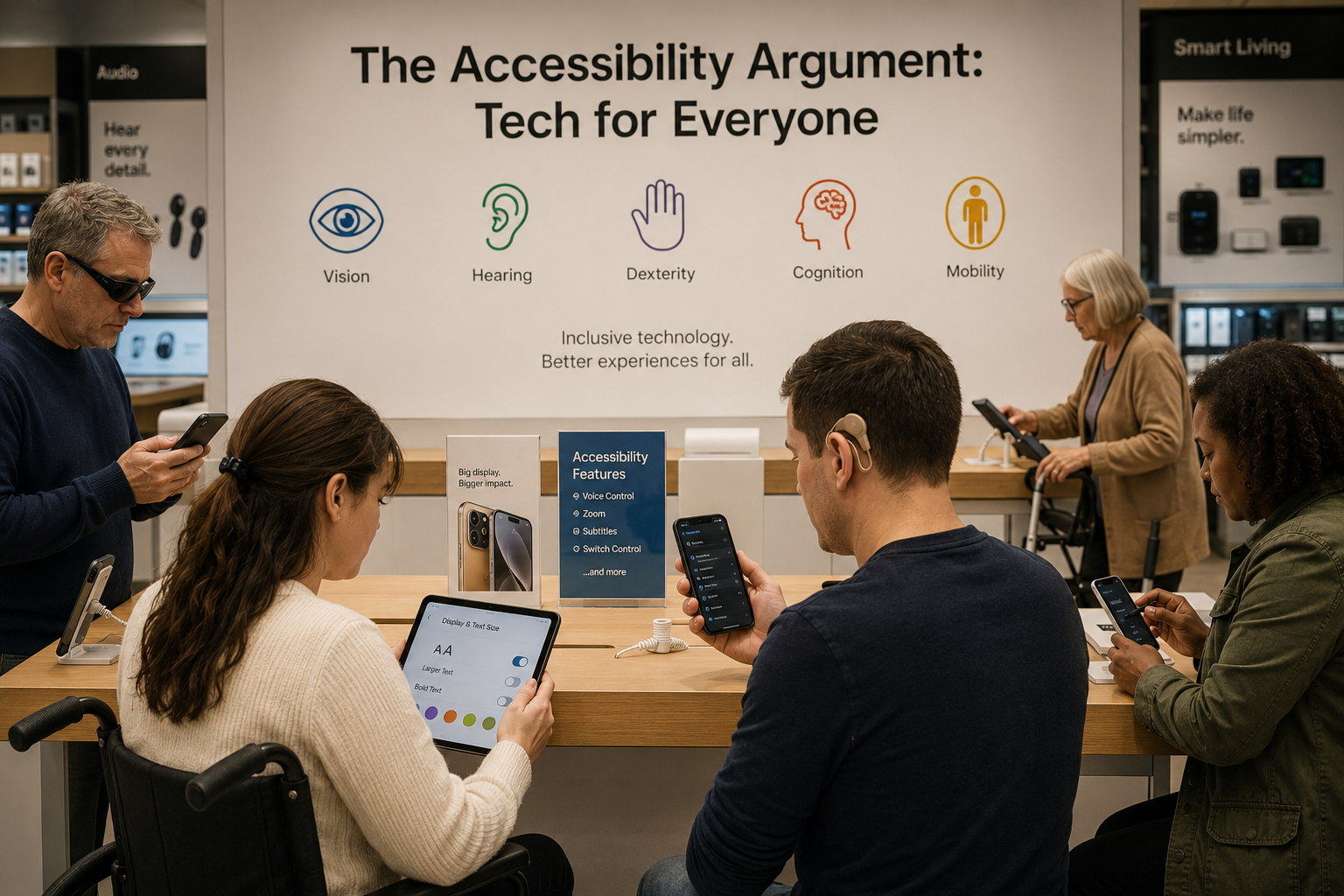
The Accessibility Argument: Tech for Everyone
Affordable electronics have become a gateway to digital inclusion.
Education
Students can now access laptops, tablets, and headphones without financial strain.
Entrepreneurship
Creators, freelancers, and small businesses can start with budget-friendly tools and still produce professional results.
Global Reach
In emerging markets, affordable electronics are often the only way people can participate in the digital economy.
Budget tech isn’t just about saving money, it’s about expanding opportunity.
The Innovation Paradox: Are Premium Brands Still Leading?
Premium brands once defined innovation. Today, the landscape is shifting.
Budget Brands Are Faster
They experiment more, iterate quickly, and respond to trends with agility.
Premium Brands Are Safer
They focus on refinement, ecosystem integration, and long-term reliability.
Who Drives Innovation Now?
Sometimes it’s the premium giants. Sometimes it’s the budget disruptors. Often, it’s both ,pushing each other forward.
Innovation has become collaborative competition.
The Sustainability Question: Cheap vs Long-Term Use
This is one of the most important debates.
Shorter Lifespans
Affordable devices may be replaced more often, raising concerns about e‑waste.
Repairability
Budget electronics are sometimes harder to repair, making replacement more common.
Eco-Friendly Manufacturing
Some budget brands are adopting recycled materials and greener production methods.
Consumer Responsibility
Choosing affordable tech doesn’t mean ignoring sustainability, it means being intentional about usage, recycling, and upgrades.
The debate isn’t about price. It’s about impact.
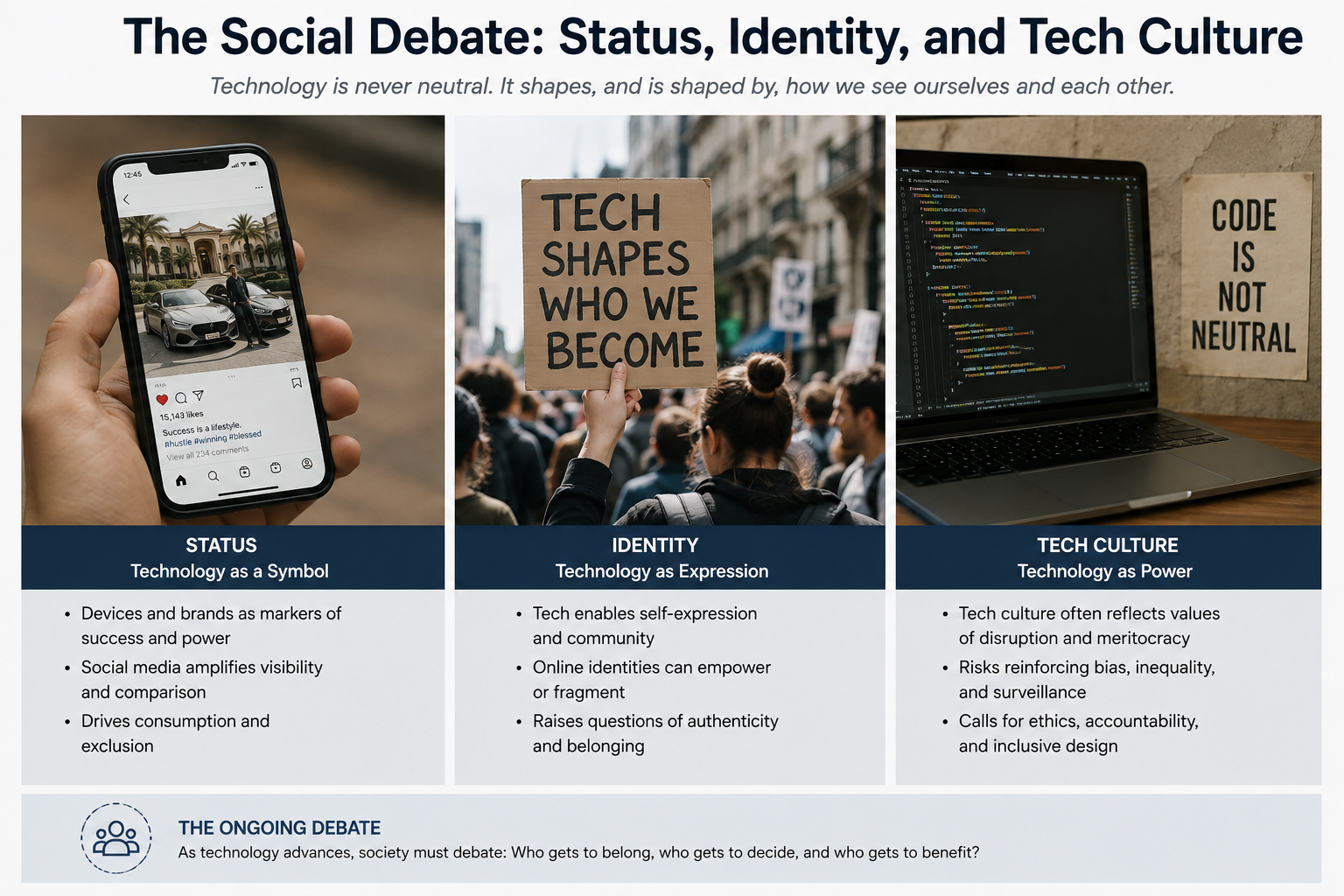
The Social Debate: Status, Identity, and Tech Culture
Technology has become part of personal identity. That’s why affordable electronics spark emotional debates.
Premium = Prestige
Some people see expensive devices as symbols of success.
Budget = Smart Choice
Others see affordable tech as proof of financial wisdom and practicality.
The New Reality
The stigma around budget electronics is fading. People care more about function than flex.
The conversation is shifting from “What brand do you use?” to “What can your device help you achieve?”
The Affiliate Marketing Angle: Why Budget Tech Dominates Online Reviews
Affordable electronics are a goldmine for affiliate marketers, and this shapes public opinion.
High Search Volume
People constantly search for “best budget laptop,” “affordable earbuds,” “cheap smartwatches,” etc.
Fast Purchase Decisions
Lower prices mean quicker conversions.
Content Variety
Reviewers can compare dozens of models without overwhelming readers.
Trust Building
Creators who recommend budget tech often appear more relatable and unbiased.
Affiliate marketing doesn’t just promote affordable electronics, it amplifies their visibility.
What Consumers Should Really Focus On
The debates are loud, but the smartest consumers look beyond the noise.
1. Purpose
What do you actually need the device for?
2. Longevity
Will it last long enough to justify the price?
3. Ecosystem
Does it work well with your other devices?
4. Support
Are software updates and repairs available?
5. Value
Does the device deliver more than it costs?
Affordable electronics aren’t automatically good or bad, they’re contextual.
What Founders and Innovators Should Learn From This Debate
If you’re building in the electronics or tech ecosystem, this debate is a roadmap.
1. Price Sensitivity Is Rising
Consumers want value, not hype.
2. Quality Must Be Consistent
Budget doesn’t mean sloppy.
3. Transparency Builds Trust
Clear specs, honest marketing, and real-world performance matter.
4. Community Drives Growth
User reviews and creator content shape perception more than ads.
5. Innovation Isn’t About Price
It’s about solving real problems.
Affordable electronics are not a threat to premium brands, they’re a challenge to innovate smarter.
Final Thought: The Future Belongs to Value‑Driven Technology
The debates around affordable electronics aren’t just about gadgets. They’re about access, innovation, identity, and possibility.
Premium tech will always have its place. Budget tech will continue rising. But the real winner is the consumer, empowered with more choices, more knowledge, and more freedom than ever before.
The future of electronics isn’t expensive or cheap. It’s purposeful, accessible, and inspired by real human needs.
Categories