Influencer Culture Dominance
There is a moment each day when millions of people open their phones and step into a world shaped not by institutions, governments, or traditional media, but by individuals. These individuals speak directly to audiences. They share their routines, their opinions, their purchases, their struggles, and their triumphs. They shape trends, conversations, and desires. They influence how people dress, how people eat, how people travel, and how people think. This world is the world of influencer culture, and its dominance is one of the most defining cultural shifts of the twenty-first century.
Influencer culture did not emerge suddenly. It grew quietly, steadily, and organically. It began with people sharing their lives online. It evolved into a global ecosystem of creators, audiences, brands, and platforms. Today, influencer culture is not a side effect of social media. It is one of its central forces. It shapes digital marketing, entertainment, commerce, and identity. It is a cultural phenomenon that reflects how modern society values personality, relatability, and authenticity.
To understand influencer culture dominance, one must understand the forces that created it, the psychology that sustains it, and the future that awaits it.
The Birth of the Influencer Era
Influencer culture began with simple acts. A person posted a photo. A person shared a story. A person recorded a video. These acts were not strategic. They were expressive. They were personal. They were spontaneous. Over time, audiences began to respond. They liked. They commented. They followed. They shared. They connected.
This connection created a new kind of visibility. People who were once unknown became familiar. Their lives became content. Their personalities became brands. Their presence became an influence.
The early influencer era was defined by authenticity. People followed influencers because they felt real. They felt relatable. They felt human. They felt like friends rather than celebrities. This authenticity created trust, and trust created influence.
Influencer culture grew because people wanted connection in a digital world.
The Psychology of Influence
Influencer culture dominance is rooted in psychology. People respond to individuals more than institutions. They trust faces more than logos. They connect with stories more than advertisements.
Influencers offer something traditional media cannot. They offer intimacy. They share their daily routines. They share their personal struggles. They share their victories. They share their opinions. They share their vulnerabilities. This intimacy creates emotional connection.
People follow influencers because they feel seen. They feel understood. They feel inspired. They feel entertained. They feel part of a community.
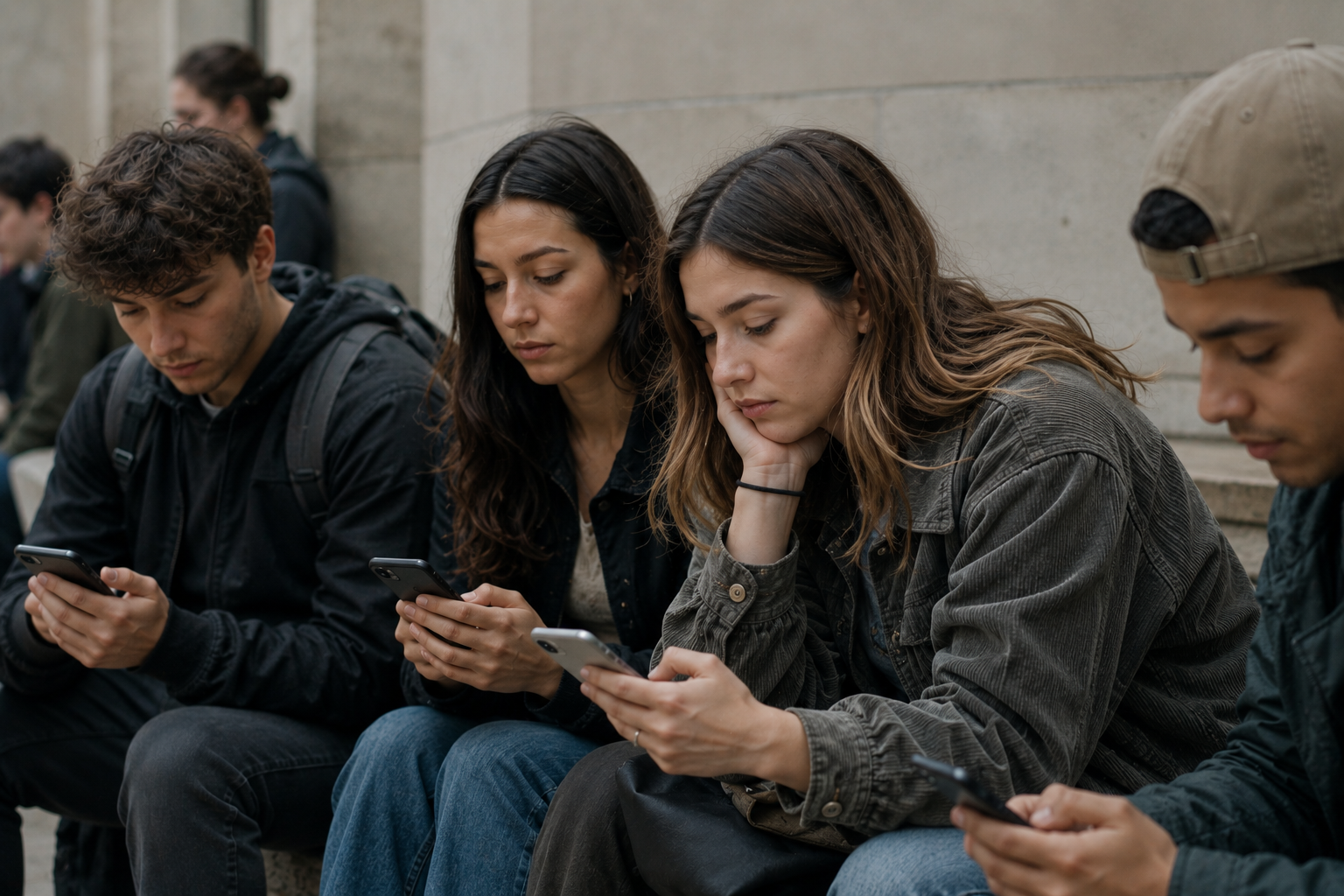
Influence is not built on fame. It is built on familiarity.
The Rise of Micro Communities
Influencer culture thrives on micro communities. These communities form around interests, identities, lifestyles, and passions. They create spaces where people feel belonging. They create environments where influencers become leaders.
A fitness influencer builds a community around discipline and health. A beauty influencer builds a community around creativity and self expression. A travel influencer builds a community around exploration and curiosity. A finance influencer builds a community around knowledge and empowerment. A lifestyle influencer builds a community around daily routines and personal growth.
These communities are powerful. They amplify messages. They create loyalty. They shape behaviour. They turn influence into culture.
Influencer culture dominance is driven by the strength of these communities.
The Transformation of Marketing
Influencer culture has transformed marketing. Brands once relied on traditional advertising. They created commercials, billboards, and print campaigns. Today, brands rely on influencers. They collaborate with individuals who speak directly to audiences. They use influencers to create trust, authenticity, and relatability.
Influencer marketing is effective because it feels personal. It feels natural. It feels human. When an influencer recommends a product, it feels like a friend sharing advice. It feels like a real experience rather than a scripted message.
Brands invest heavily in influencer partnerships because they understand the power of personal influence. They understand that audiences trust individuals more than corporations.
Influencer culture dominance is reshaping the entire marketing industry.
The Economics of Influence
Influencer culture is not only cultural. It is economical. Influencers generate revenue through brand partnerships, sponsored content, affiliate marketing, merchandise, digital products, and platform monetization. Some influencers earn more than traditional celebrities. Some build companies. Some create global brands.
This economic power attracts more creators. It encourages more people to share their lives online. It expands the influencer ecosystem. It creates competition. It creates opportunity.

The economics of influence also shape consumer behaviour. People buy products recommended by influencers. They follow trends created by influencers. They support brands endorsed by influencers.
Influencer culture dominance is driven by economic incentives.
The Role of Platforms
Social media platforms are the stage on which influencer culture performs. They provide the tools, the visibility, and the audience. They shape the rules of engagement. They determine what content thrives.
Platforms reward engagement. They reward consistency. They reward creativity. They reward content that keeps people scrolling. Influencers understand these rules. They adapt their content to fit platform expectations. They learn the language of each platform.
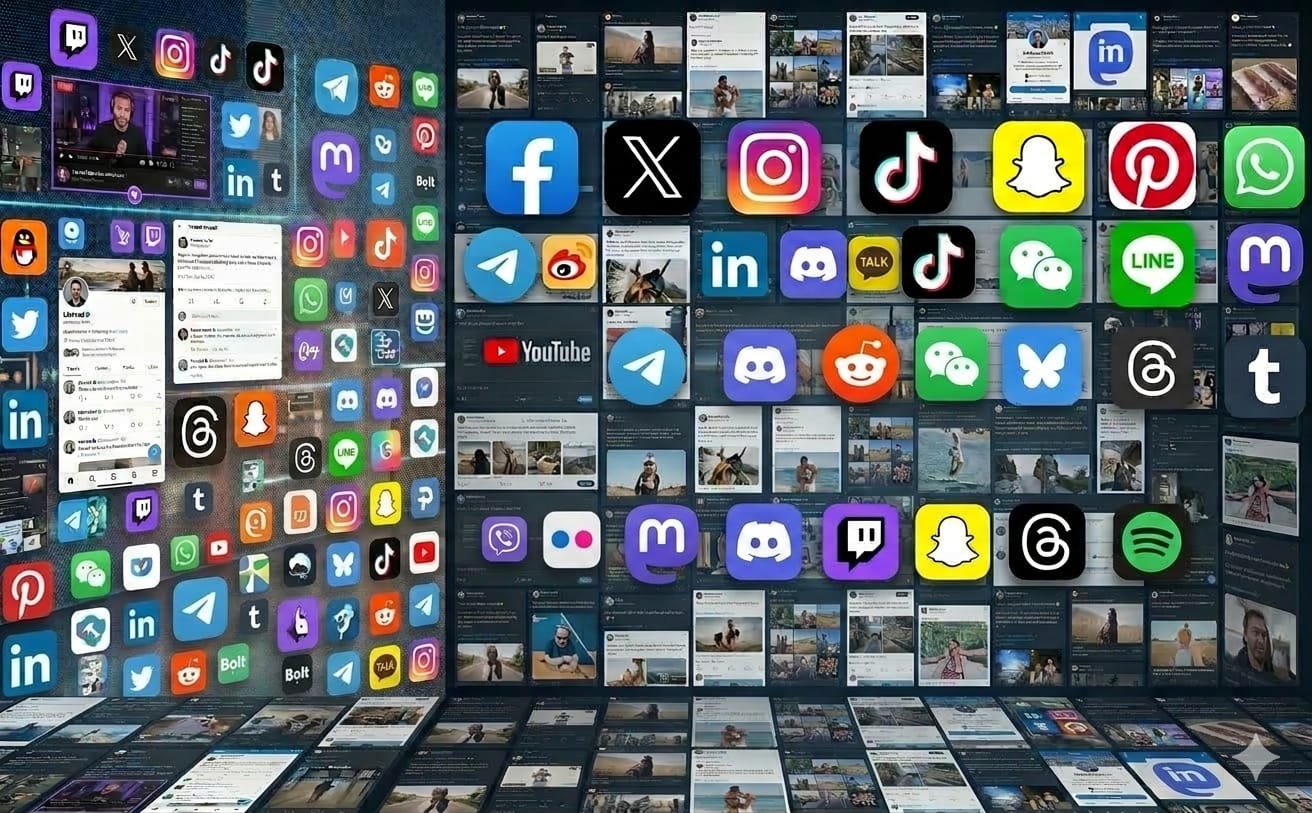
Instagram rewards aesthetics. TikTok rewards energy. YouTube rewards storytelling. Twitter rewards conversation. Facebook rewards community.
Platforms shape influencer culture, and influencer culture shapes platforms.
The Challenge of Authenticity
As influencer culture grows, authenticity becomes both a strength and a challenge. Audiences want influencers to feel real. They want honesty. They want vulnerability. They want transparency. Yet influencers also face pressure to perform. They must create content consistently. They must maintain engagement. They must satisfy brands. They must manage public perception.
This pressure can create tension. Influencers must balance authenticity with strategy. They must navigate criticism. They must manage expectations. They must protect their mental health.
Authenticity is the foundation of influence, but it is also one of its greatest challenges.
The Influence on Identity
Influencer culture shapes identity. People adopt styles, habits, and beliefs inspired by influencers. They mimic routines. They follow trends. They embrace aesthetics. They internalize messages.
This influence can be positive. It can inspire confidence. It can encourage creativity. It can promote wellness. It can support learning. It can build community.
It can also be complex. It can create unrealistic expectations. It can encourage comparison. It can amplify insecurity. It can distort self perception.
Influencer culture dominance affects how people see themselves.
The Future of Influencer Culture
The future of influencer culture will be shaped by several forces.
More emphasis on authenticity. More focus on mental health. More regulation of sponsored content. More diversification of platforms. More rise of niche creators. More integration with commerce. More demand for transparency. More collaboration between influencers and brands.
Influencer culture will continue to evolve. It will become more sophisticated. It will become more responsible. It will become more integrated into daily life.

The future of influence will be defined by trust.
A Closing Reflection
Influencer culture dominance is not a trend. It is a transformation. It reflects how people communicate, connect, and express themselves in the digital age. It reflects the power of personality. It reflects the desire for authenticity. It reflects the importance of community.
Influencers are not simply content creators. They are cultural narrators. They shape conversations. They shape behaviour. They shape identity. They shape the digital world.
Influencer culture dominance is a reminder that influence is not about fame. It is about connection. It is about trust. It is about humanity.
And that humanity continues to shape the future.
Categories