Merchant Adoption Strategies
Conversion Uplift, Basket Size Growth, and Integration Costs
Commerce has always been shaped by the relationship between merchants and the tools they use to serve customers. In the digital era, this relationship has become more complex, more competitive, and more strategic. Merchants must decide which technologies to adopt, which payment methods to support, which platforms to integrate, and which experiences to prioritize. These decisions influence revenue, customer satisfaction, and long term growth. They also determine whether a merchant thrives or struggles in a crowded marketplace.
Merchant adoption strategies revolve around three core forces: conversion uplift, basket size growth, and integration costs. These forces shape how merchants evaluate new solutions, how they negotiate partnerships, and how they balance innovation with practicality. They reveal the tension between opportunity and risk, between ambition and constraint, between customer expectations and operational realities.
To understand merchant adoption strategies, one must understand how these forces interact, how merchants think, and how commerce evolves.
The Meaning of Merchant Adoption
Merchant adoption refers to the process by which merchants decide to implement new technologies, payment methods, or commerce solutions. It is not a simple yes or no decision. It is a strategic evaluation. It requires analysis of cost, benefit, risk, and alignment with business goals.
Merchants adopt solutions for several reasons.
They want to increase revenue. They want to reduce friction. They want to improve customer experience. They want to differentiate themselves. They want to stay competitive. They want to reduce operational burden.
Merchant adoption is not driven by novelty. It is driven by measurable value.
The Power of Conversion Uplift
Conversion uplift is one of the most important metrics in merchant adoption. It measures how much a new solution increases the percentage of customers who complete a purchase. Even small improvements in conversion can create significant revenue gains.
Conversion uplift is influenced by several factors.
Checkout speed. Faster checkout increases completion rates. Payment flexibility. More payment options reduce abandonment. Trust signals. Clear security indicators increase confidence. User experience. Smooth interfaces reduce friction. Mobile optimization. Better mobile flows increase conversion. Localized options. Region specific payment methods increase acceptance.
Merchants evaluate solutions based on how much they improve conversion. If a solution promises strong uplift, merchants are more likely to adopt it.
Conversion uplift is the engine of adoption.
The Psychology Behind Conversion
Conversion is not only technical. It is psychological. Customers abandon carts for emotional reasons. They hesitate when checkout feels complicated. They leave when payment options feel unfamiliar. They pause when trust signals are missing. They reconsider when fees appear unexpectedly.
Merchants must understand this psychology. They must reduce hesitation. They must increase confidence. They must create a sense of ease.
Conversion uplift is a reflection of customer psychology.
The Importance of Basket Size Growth
Basket size growth refers to the increase in average order value. It is one of the most powerful ways merchants increase revenue without increasing traffic. Basket size growth can be influenced by payment methods, checkout design, and product presentation.
Several factors influence basket size growth.
Flexible payment options. Buy now pay later tools often increase basket size. Upsell and cross sell features. Smart recommendations increase order value. Subscription options. Recurring purchases increase lifetime value. Loyalty programs. Rewards encourage larger purchases. Bundling. Product bundles increase perceived value. Personalization. Tailored suggestions increase relevance.
Merchants adopt solutions that increase basket size because they create immediate and measurable revenue impact.
Basket size growth is the multiplier of adoption.
The Economics of Basket Size
Basket size growth is not only about selling more. It is about selling smarter. It is about understanding customer behavior. It is about creating value. It is about designing experiences that encourage customers to explore more, trust more, and spend more.
Merchants evaluate solutions based on how they influence customer behavior. If a solution increases basket size consistently, it becomes a strategic asset.
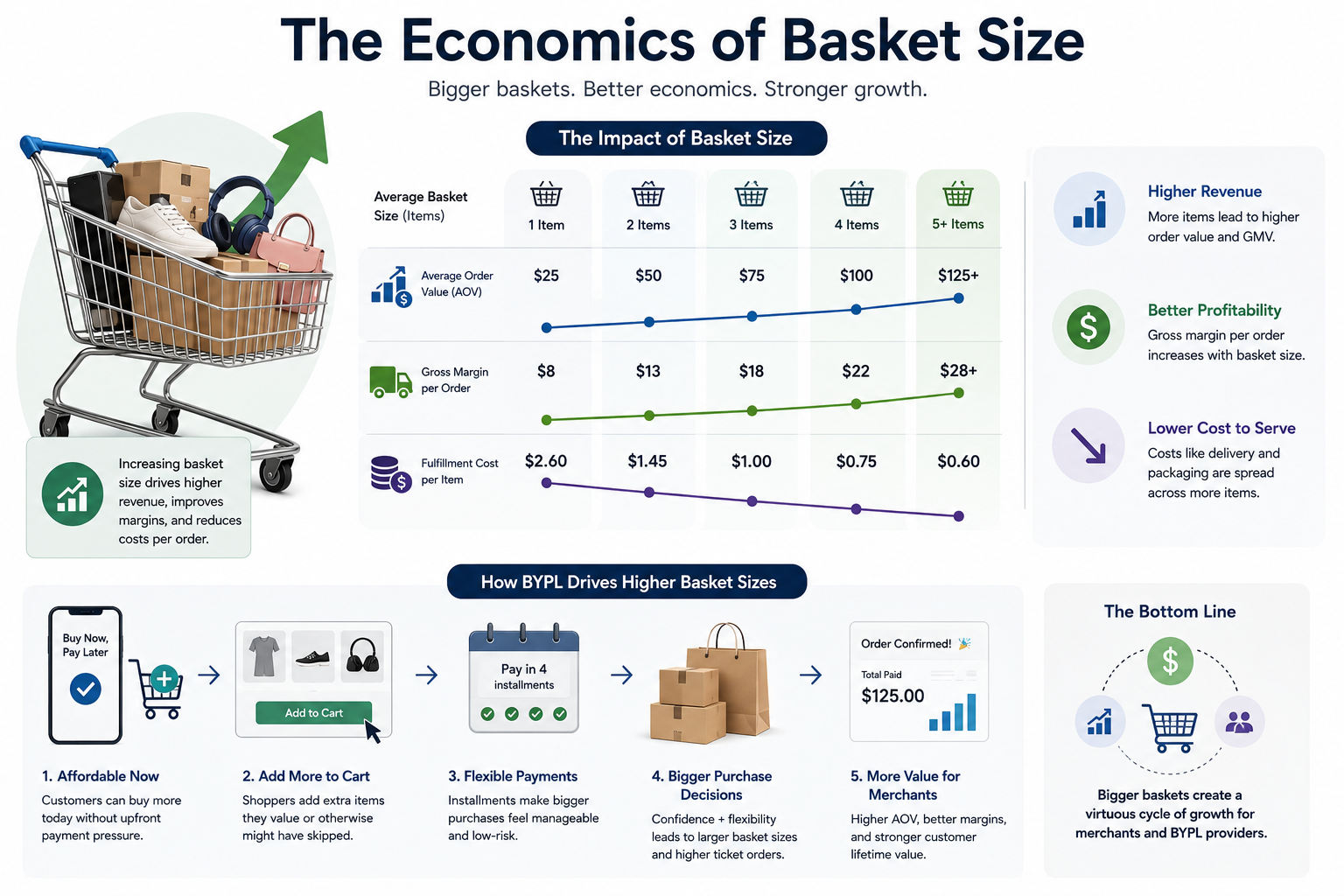
Basket size growth is the economics of persuasion.
The Weight of Integration Costs
Integration costs are one of the biggest barriers to merchant adoption. Even if a solution promises strong conversion uplift and basket size growth, merchants may hesitate if integration is expensive, complex, or time consuming.
Integration costs include several components.
Technical development. Engineering resources required to implement the solution. Testing and QA. Ensuring the solution works across devices and platforms. Maintenance. Ongoing updates and support. Training. Educating staff on new tools. Operational changes. Adjusting workflows and processes. Compliance. Meeting regulatory and security requirements.
Integration costs shape adoption decisions. Merchants must balance potential benefit with required investment.
Integration costs are the gatekeepers of adoption.
The Challenge of Legacy Systems
Many merchants operate on legacy systems that are difficult to modify. These systems may lack modern APIs. They may require custom development. They may be incompatible with new solutions. They may create friction that slows adoption.
Legacy systems create several challenges.
They increase integration costs. They limit flexibility. They reduce speed. They increase risk. They require specialized expertise.
Merchants must decide whether to upgrade systems or adapt solutions. This decision influences adoption strategy.
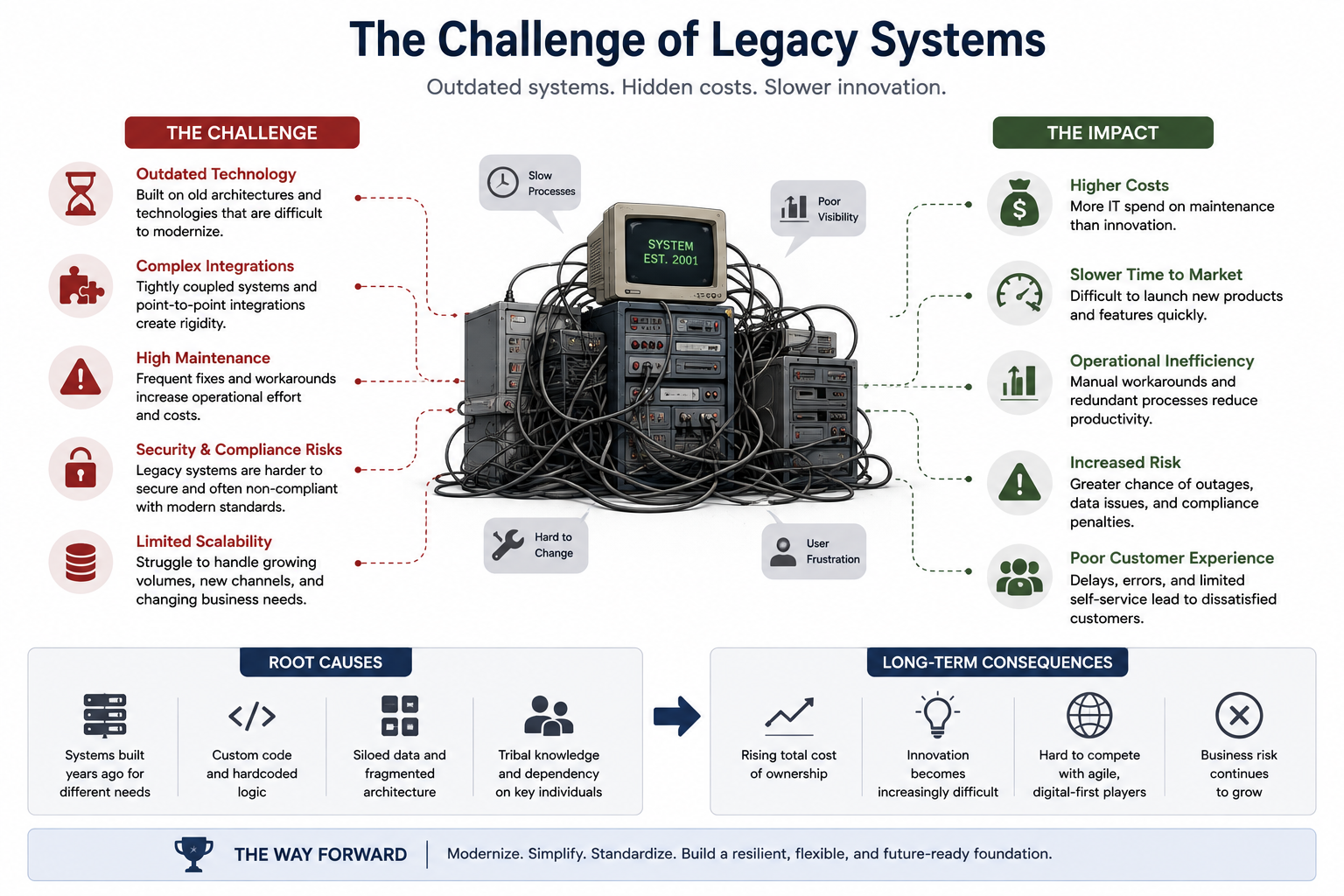
Legacy systems are the silent barriers of innovation.
The Influence of Platform Partnerships
Platform partnerships play a major role in merchant adoption. Merchants often rely on platforms such as ecommerce providers, payment gateways, or marketplace systems. These platforms influence which solutions are easy to adopt, which are supported, and which require custom work.
Platform partnerships shape adoption in several ways.
Prebuilt integrations. Reduce cost and complexity. Preferred partners. Increase trust and reliability. Shared data. Improve personalization and analytics. Unified dashboards. Simplify management. Compliance support. Reduce regulatory burden.
Merchants prefer solutions that integrate smoothly with their existing platforms.
Platform partnerships are the accelerators of adoption.
The Role of Merchant Segmentation
Merchant adoption strategies vary across segments. Small merchants prioritize simplicity. Medium merchants prioritize growth. Large merchants prioritize scalability. Each segment evaluates solutions differently.
Small merchants want low cost, easy integration, and immediate value. Medium merchants want tools that increase revenue and reduce friction. Large merchants want enterprise grade reliability and global support.
Segmentation shapes adoption strategy.
The Future of Merchant Adoption
The future will be shaped by several forces.
More automation. Solutions will reduce manual work. More embedded finance. Payment tools will integrate deeper into platforms. More personalization. Checkout experiences will adapt to user behavior. More global payment options. Merchants will support diverse methods. More data driven decisions. Analytics will guide adoption. More modular integration. Solutions will become easier to implement. More focus on customer experience. UX will drive conversion. More pressure on cost efficiency. Merchants will demand lower integration costs.
Merchant adoption will continue to evolve. It will become more strategic. It will become more data driven. It will become more customer centric.
The future of adoption depends on balance.
A Closing Reflection
Merchant adoption strategies reveal how commerce evolves. They show how merchants evaluate opportunity. They show how they balance cost with benefit. They show how they respond to customer behavior. They show how they navigate complexity.
Conversion uplift drives adoption. Basket size growth amplifies value. Integration costs determine feasibility. Together, they shape the decisions merchants make every day.
Merchant adoption is not only a technical process. It is a strategic negotiation. It is a reflection of how merchants think, how customers behave, and how commerce adapts.
The future of adoption will require clarity, innovation, and discipline. It will require solutions that deliver value without creating burden. It will require experiences that delight customers and empower merchants.
Merchant adoption is the quiet engine of digital commerce.
Categories