Network Congestion Management
Traffic Shaping, Peak Time Optimization, and QoS Policies
There is a moment each evening when the digital world becomes crowded. People stream movies, join video calls, play online games, upload files, scroll through social feeds, and sync devices. The network feels the weight of millions of simultaneous actions. It stretches, adjusts, and sometimes struggles. This pressure is known as network congestion, and managing it has become one of the most important challenges in modern connectivity.
Network congestion management is not simply a technical discipline. It is a negotiation between demand and capacity, between fairness and performance, between user expectations and infrastructure limitations. It is shaped by traffic shaping, peak time optimization, and Quality of Service policies, often shortened to QoS. These tools determine how data moves, how speed is distributed, and how digital experiences remain stable even when the network is under strain.
To understand network congestion management, one must understand how networks behave, how traffic flows, and how policies shape performance.
The Nature of Congestion
Congestion occurs when demand exceeds available bandwidth. It is similar to a highway during rush hour. Cars move slowly, lanes fill up, and delays become inevitable. In digital networks, congestion affects speed, latency, jitter, and reliability. It affects streaming quality, call stability, download times, and gaming performance.
Congestion is not random. It follows patterns. It rises during evenings. It rises during major events. It rises during software updates. It rises during holidays. It rises when millions of people act at once.
Congestion reveals the limits of infrastructure.
The Role of Traffic Shaping
Traffic shaping is one of the most important tools in congestion management. It controls how data flows through the network. It prioritizes certain types of traffic. It delays others. It ensures that critical services remain stable even when the network is busy.
Traffic shaping is not about blocking. It is about organizing. It is about smoothing peaks. It is about preventing chaos. It is about ensuring that essential traffic receives priority.
Traffic shaping often prioritizes:
Voice calls, which require low latency. Video conferencing, which requires stability. Online gaming, which requires fast response. Emergency services, which require guaranteed access. Business applications, which require reliability.
Traffic shaping may slow down noncritical traffic such as large downloads, background updates, or bulk transfers during peak times.
Traffic shaping is the network’s way of keeping order.
The Debate Over Fairness
Traffic shaping raises questions about fairness. Should all data be treated equally. Should certain applications receive priority. Should users be allowed to consume unlimited bandwidth during peak times. Should networks intervene when demand becomes excessive.
Fairness is not simple. Equal treatment may sound ideal, but it can lead to instability. Prioritization may sound unfair, but it can protect essential services. Networks must balance fairness with functionality.
Fairness is a philosophical challenge as much as a technical one.
Peak Time Optimization
Peak time optimization is the art of managing networks during the busiest hours. It requires prediction, monitoring, and adaptation. Networks must anticipate demand. They must adjust routing. They must allocate resources. They must ensure stability.
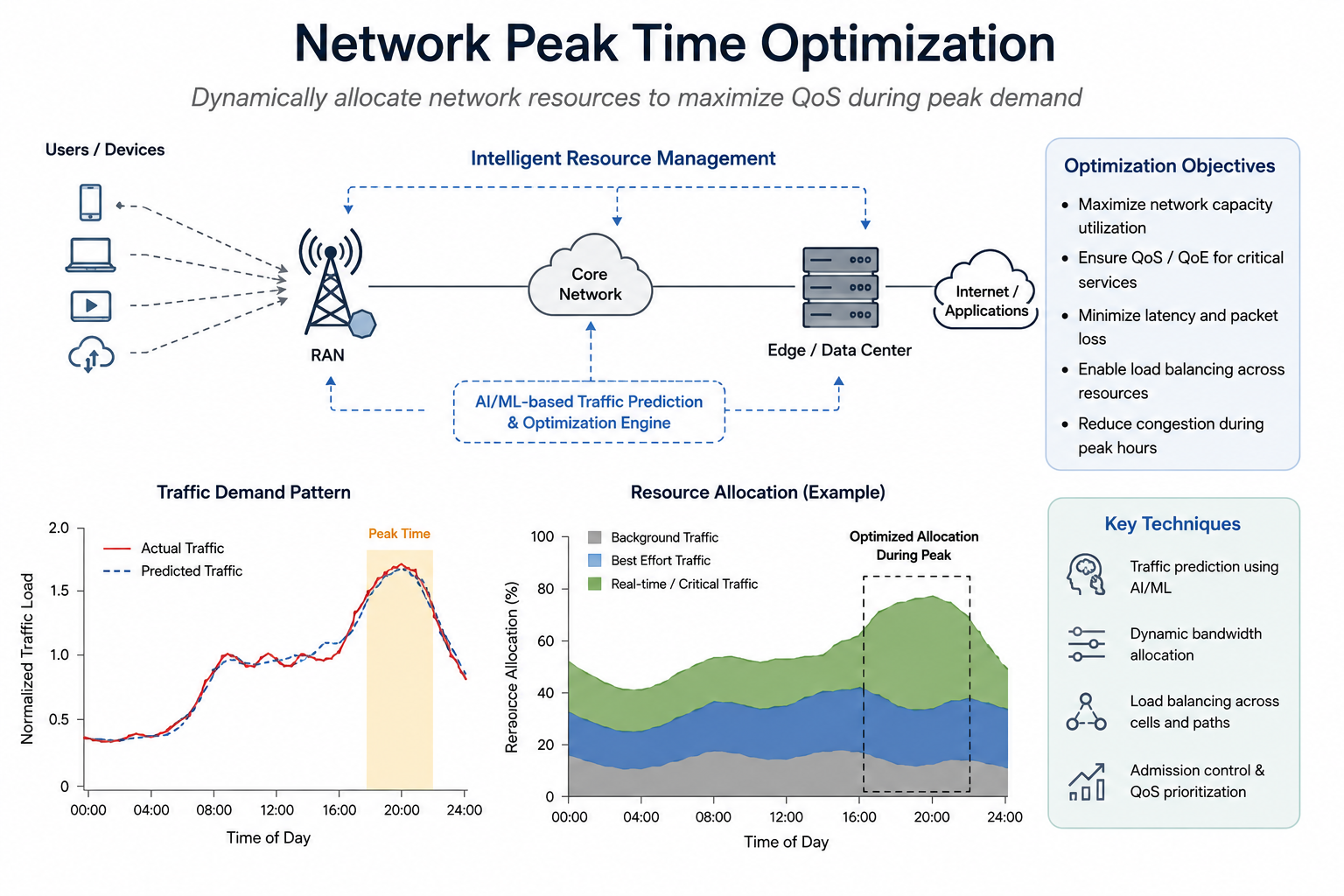
Peak time optimization relies on several strategies.
Load balancing. Distributing traffic across multiple paths. Caching. Storing popular content closer to users. Rate limiting. Preventing excessive usage from overwhelming the network. Dynamic routing. Redirecting traffic to less congested paths. Capacity scaling. Increasing bandwidth during predictable peaks.
Peak time optimization is essential for maintaining user experience.
The Importance of QoS Policies
Quality of Service policies define how networks prioritize traffic. They determine which packets move first, which packets wait, and which packets receive guaranteed performance. QoS policies are essential for applications that require stability.
QoS policies consider several factors.
Latency sensitivity. Some applications cannot tolerate delay. Bandwidth requirements. Some applications require consistent throughput. Reliability needs. Some applications must not drop packets. User priority. Some users require guaranteed service levels. Application type. Some traffic categories receive special treatment.
QoS policies create structure. They ensure that critical traffic remains stable even when the network is congested.
QoS is the backbone of performance management.
The Challenge of Modern Traffic Patterns
Modern traffic patterns are more complex than ever. Streaming dominates bandwidth. Video calls dominate latency. Cloud services dominate reliability. Gaming dominates responsiveness. Social media dominates bursts of activity. Software updates dominate background traffic.
These patterns create unpredictable spikes. They create sudden congestion. They create challenges for networks that must adapt quickly.
Modern traffic patterns require modern congestion management.
The Influence of Cloud Services
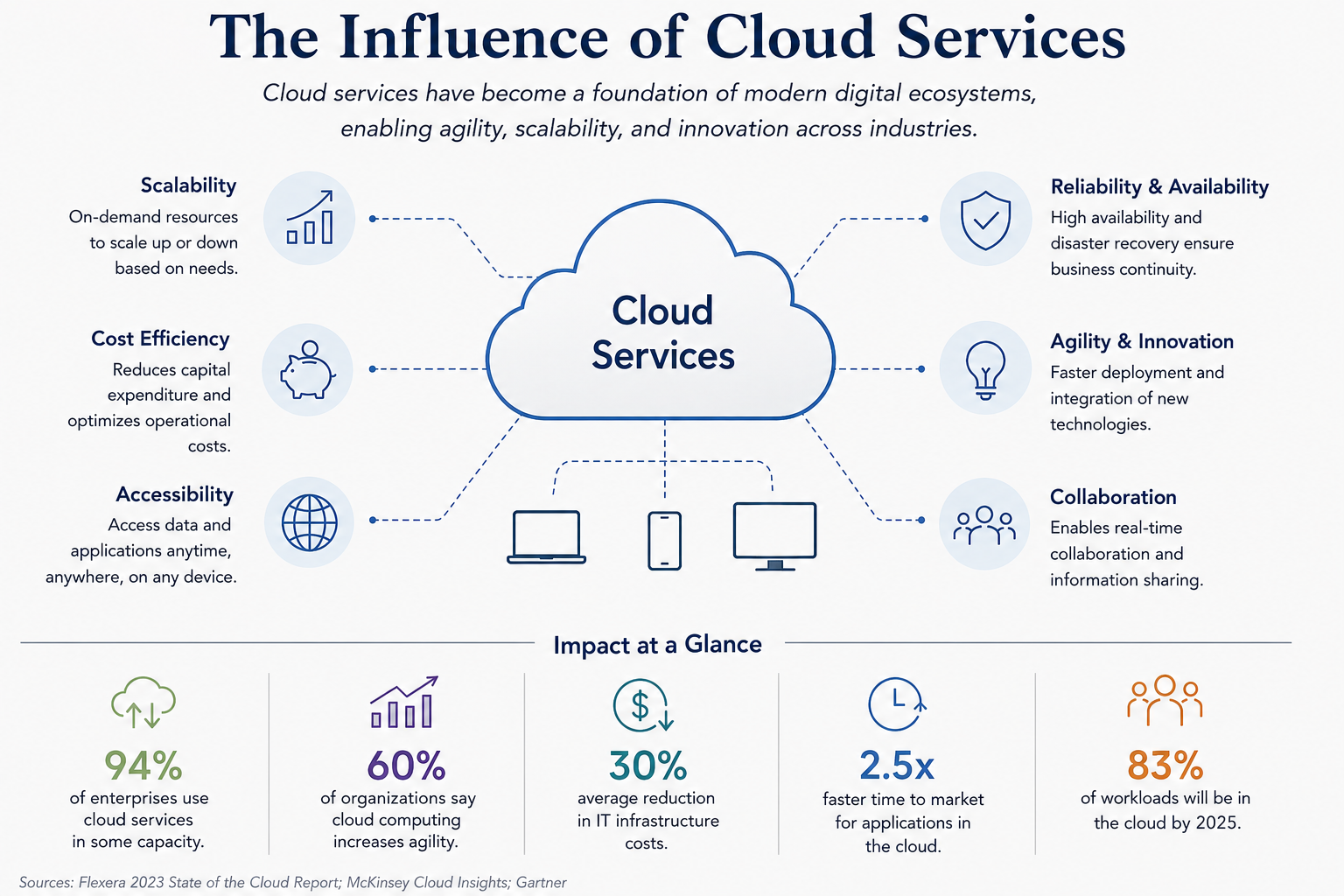
Cloud services have transformed network behavior. They create constant background traffic. They synchronize data across devices. They update applications automatically. They store files remotely. They host business tools. They support entertainment platforms.
Cloud traffic is persistent. It is distributed. It is essential. It cannot be delayed excessively. It requires careful management.
Cloud services make congestion management more complex.
The Pressure of Real Time Applications
Real time applications such as video calls, gaming, and live streaming require immediate response. They cannot tolerate delay. They cannot tolerate jitter. They cannot tolerate packet loss.
These applications place pressure on networks. They require prioritization. They require stability. They require QoS policies that guarantee performance.
Real time applications shape modern congestion strategies.
The Rise of Smart Congestion Management
Smart congestion management uses artificial intelligence and machine learning to predict and respond to network conditions. It analyzes patterns. It identifies bottlenecks. It adjusts routing. It allocates resources dynamically.
Smart congestion management improves efficiency. It reduces delays. It enhances stability. It adapts to changing conditions.
Smart systems represent the future of congestion management.
The Regulatory Dimension
Network congestion management is not only technical. It is regulatory. Governments and agencies monitor how networks prioritize traffic. They ensure fairness. They prevent discrimination. They protect consumer rights.
Regulators often focus on:
Net neutrality. Ensuring that networks do not unfairly prioritize certain content. Transparency. Ensuring that users understand how traffic is managed. Consumer protection. Ensuring that networks do not degrade service unfairly. Competition. Ensuring that prioritization does not harm smaller companies.
Regulation shapes how networks manage congestion.
The Future of Congestion Management
The future will be shaped by several forces.
More real time applications. Networks must support increasing demand for live services. More connected devices. The rise of smart homes and IoT will increase traffic. More cloud dependence. Cloud services will dominate bandwidth. More automation. AI will manage congestion more intelligently. More regulatory oversight. Governments will refine rules around prioritization. More user expectations. Consumers will demand flawless performance. More advanced QoS systems. Networks will become more adaptive. More edge computing. Processing will move closer to users to reduce congestion.
The future of congestion management will require innovation, discipline, and balance.
A Closing Reflection
Network congestion management is one of the quiet forces behind modern connectivity. It ensures stability when millions of people act at once. It protects essential services. It shapes digital experiences. It balances fairness with performance. It reflects the complexity of a world that depends on constant connection.
Traffic shaping organizes chaos. Peak time optimization anticipates demand. QoS policies guarantee stability. Together, they create a network that can withstand pressure.
Congestion management is not only technical. It is cultural. It is economical. It is regulatory. It is essential.
The digital world depends on it.
Categories