Rising Travel Costs in Global Booking Markets
Travel has always carried a sense of possibility. It represents movement, discovery, connection, and escape. Yet in recent years, the cost of travel has begun to rise in ways that feel unavoidable and universal. Flights cost more. Hotels cost more. Car rentals cost more. Even basic travel services that once felt predictable now fluctuate with surprising intensity. The global booking market is changing, and travellers everywhere are feeling the pressure.
The story of rising travel costs is not simply about inflation. It is about demand, technology, competition, geography, and the shifting priorities of an industry that is trying to balance profit with accessibility. It is about how travel is becoming both more desired and more difficult. It is about how global booking markets are adapting to a world that is more connected than ever but also more expensive than ever.
The New Reality of Travel Demand
Travel demand has surged across the world. People who paused their travel plans during global disruptions are now eager to explore again. Families want holidays. Businesses want mobility. Students want international experiences. Digital workers want flexibility. This surge in demand has created a new reality.
When demand rises faster than supply, prices climb. Airlines struggle to expand capacity quickly. Hotels face occupancy spikes. Car rental companies deal with limited fleets. Even local transport services feel the strain. The global booking market is responding to this demand with higher prices, dynamic pricing models, and more aggressive revenue strategies.
Travel is becoming a premium experience because demand is outpacing availability.
The Cost of Operational Complexity
Travel is one of the most complex industries in the world. It requires coordination across airports, airlines, hotels, transport providers, governments, and digital platforms. Every part of this ecosystem has experienced rising operational costs.
Fuel prices fluctuate. Staffing shortages increase labour costs. Maintenance expenses rise. Insurance becomes more expensive. Technology upgrades require investment. Regulatory compliance becomes more demanding. These costs flow through the system and eventually reach the traveller.
The global booking market reflects this complexity. When operational costs rise, booking costs rise. Travellers are not only paying for the journey. They are paying for the infrastructure that makes the journey possible.
The Influence of Technology and Algorithms
Technology has transformed travel booking. Platforms use algorithms to adjust prices in real time. These algorithms analyse demand, supply, seasonality, competition, and user behaviour. They respond instantly to changes in the market. They optimise revenue. They maximise profit.
This creates a new kind of pricing environment. Travellers may see prices rise within minutes. They may see different prices depending on location, device, or time of day. They may feel that booking has become unpredictable.
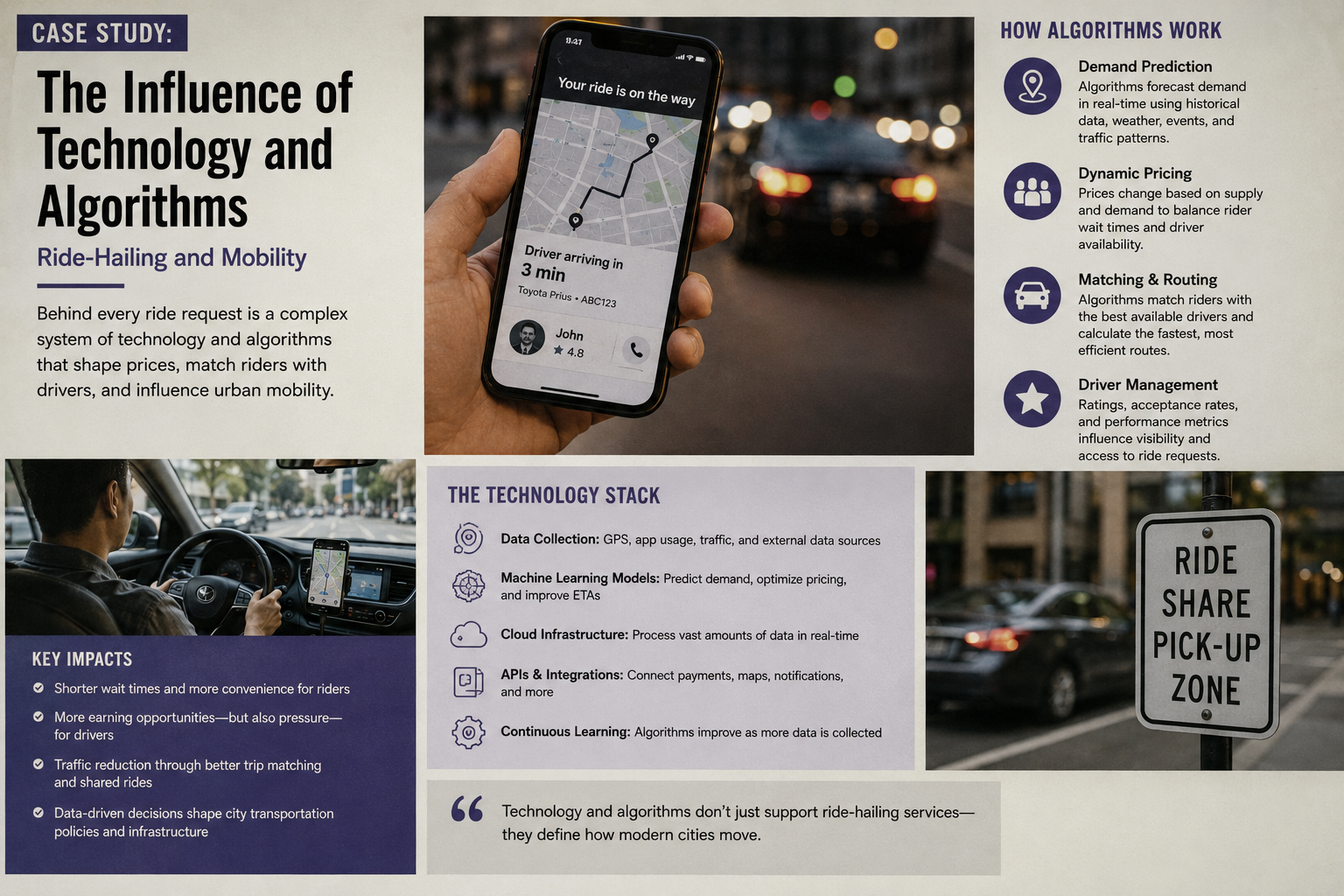
Algorithms do not raise prices out of emotion. They raise prices out of calculation. The global booking market is now shaped by digital intelligence that prioritises efficiency over sentiment.
The Geography of Rising Costs
Travel costs do not rise evenly across the world. Different regions experience different pressures.
North America faces high demand and strong domestic travel culture. Europe faces regulatory complexity and seasonal spikes. Asia faces rapid growth and expanding middle class travel. Africa faces limited infrastructure and rising operational costs. Latin America faces currency fluctuations and economic instability.
Each region contributes to the global trend in its own way. The global booking market is not a single system. It is a network of regional realities that influence each other.
Travellers must navigate this geography of cost.
The Hotel Pricing Shift
Hotels are experiencing their own transformation. Many hotels operate with reduced staff. Many face higher energy costs. Many invest in digital systems. Many deal with unpredictable occupancy patterns. These pressures influence pricing.
Hotels now use dynamic pricing models similar to airlines. Prices rise during peak seasons, major events, and high demand periods. Prices rise when supply is limited. Prices rise when booking windows shrink.
The global booking market reflects this shift. Travellers must adapt to hotel pricing that feels more fluid and less predictable.
The Flight Pricing Puzzle
Airline pricing is one of the most complex systems in travel. It is influenced by fuel costs, aircraft availability, crew scheduling, airport fees, regulatory requirements, and global demand. Airlines use sophisticated revenue management systems to adjust prices constantly.
This creates a puzzle for travellers. Prices rise when demand spikes. Prices rise when routes are limited. Prices rise when airlines reduce capacity. Prices rise when global events disrupt travel patterns.
The global booking market is shaped by this puzzle. Travellers must navigate flight pricing that feels both strategic and mysterious.
The Role of Travel Platforms
Travel platforms play a central role in global booking markets. They aggregate options, compare prices, and offer convenience. Yet they also influence pricing. Platforms charge commissions. They promote certain listings. They use algorithms to highlight specific deals. They negotiate with airlines and hotels.
These actions shape the market. They influence visibility. They influence competition. They influence cost. Travellers often assume platforms simply display prices. In reality, platforms participate in the pricing ecosystem.
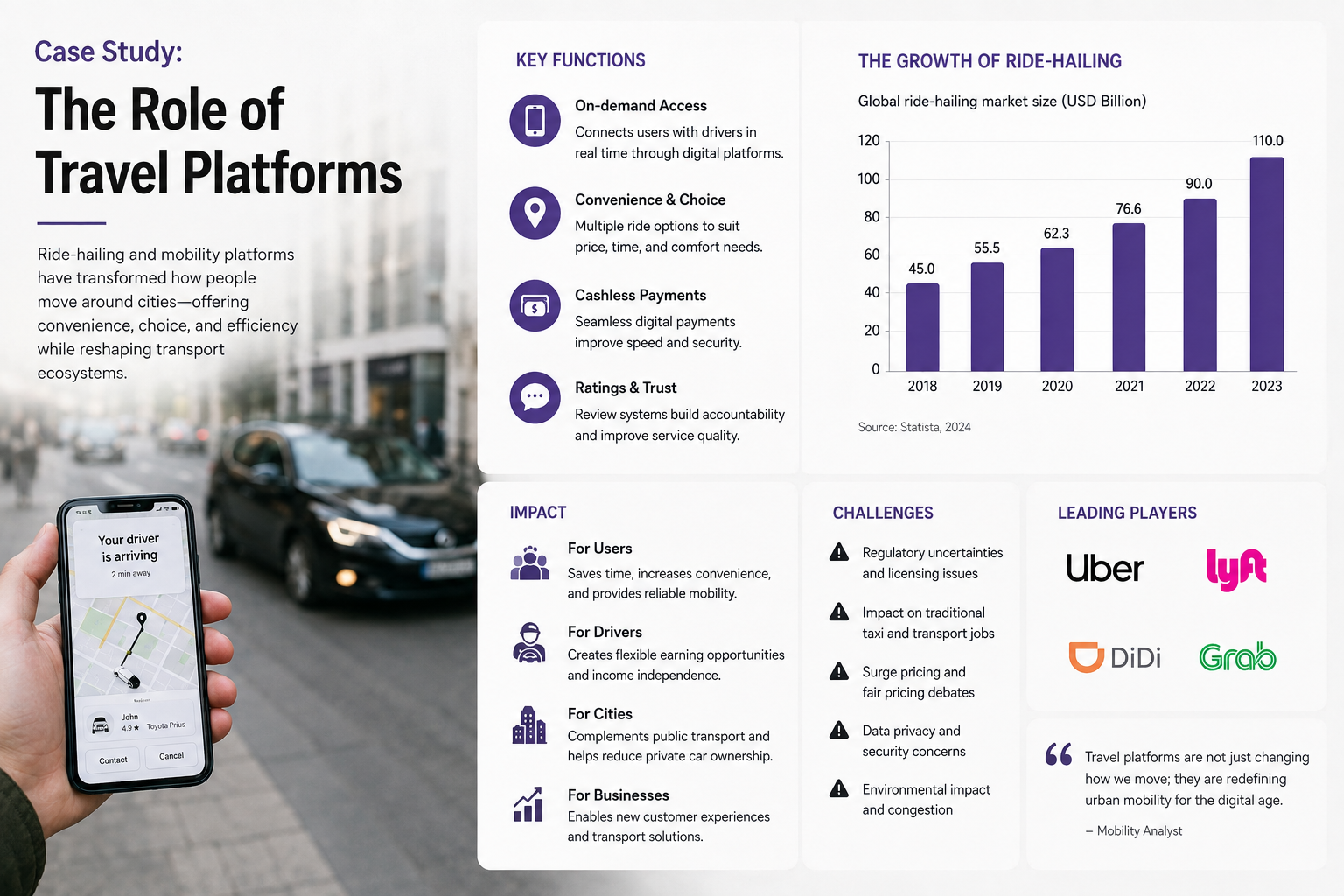
The global booking market is not neutral. It is curated.
The Rise of Premium Travel Culture
Travel is becoming more premium. Travellers want comfort, flexibility, and personalised experiences. They want better seats, better rooms, better service, and better convenience. This desire for premium experiences influences pricing.
Airlines offer premium economy, business class upgrades, and flexible fares. Hotels offer suites, curated experiences, and exclusive amenities. Platforms offer priority booking, loyalty benefits, and personalised recommendations.
Premium travel culture raises the baseline cost of travel. It creates a market where higher prices feel normal.
The Impact on Travellers
Rising travel costs affect travellers in several ways.
Some travellers reduce frequency. Some shorten trips. Some choose closer destinations. Some rely on loyalty programs. Some shift to budget airlines or hostels. Some delay travel until prices drop. Some explore alternative transport options.
Travel remains desirable, but it requires more planning, more flexibility, and more financial awareness.
The global booking market is forcing travellers to rethink how they travel.
The Future of Travel Pricing
The future of travel pricing will be shaped by several forces.
More advanced algorithms will refine dynamic pricing. More electric aircraft will reduce fuel dependency. More sustainable hotels will manage energy costs better. More competition will emerge from new travel platforms. More travellers will demand transparency. More governments will regulate pricing practices. More regions will invest in infrastructure. More travellers will seek off season travel.
The future will not eliminate rising costs. It will manage them more intelligently.
A Closing Reflection
Rising travel costs in global booking markets are not simply a financial trend. They are a reflection of how the world moves. They reveal the tension between desire and affordability. They show how technology shapes behaviour. They highlight the complexity of global mobility.
Travel remains one of the most powerful human experiences. It connects people. It expands perspective. It enriches life. The challenge now is ensuring that travel remains accessible even as costs rise.
The future of travel will require creativity, transparency, and balance. It will require collaboration between travellers, platforms, airlines, hotels, and governments. It will require a new understanding of value.
Travel is changing. The global booking market is changing. The world is changing. Yet the desire to explore remains constant.
And that desire will continue to shape the future.
Categories