The Banking Customer Trust Crisis
There is a quiet tension running through the global financial system. It does not come from interest rates or inflation charts. It comes from people. Ordinary customers who once believed their banks were guardians of stability are now questioning everything. The trust that once defined banking is thinning, and the industry is facing a crisis that cannot be solved with marketing campaigns or glossy apps.
This is the story of how trust slipped, why it matters, and what the future of banking must confront.
The Cracks That Became a Crisis
Trust in banking was never built on technology. It was built on confidence. People deposited their money because they believed the institution would protect it. That belief has been shaken by several forces.
Some customers feel abandoned when banks close branches in their communities. Others feel unheard when automated systems replace human support. Many feel exposed when data breaches make headlines. And almost everyone feels frustrated when fees rise while service quality falls.
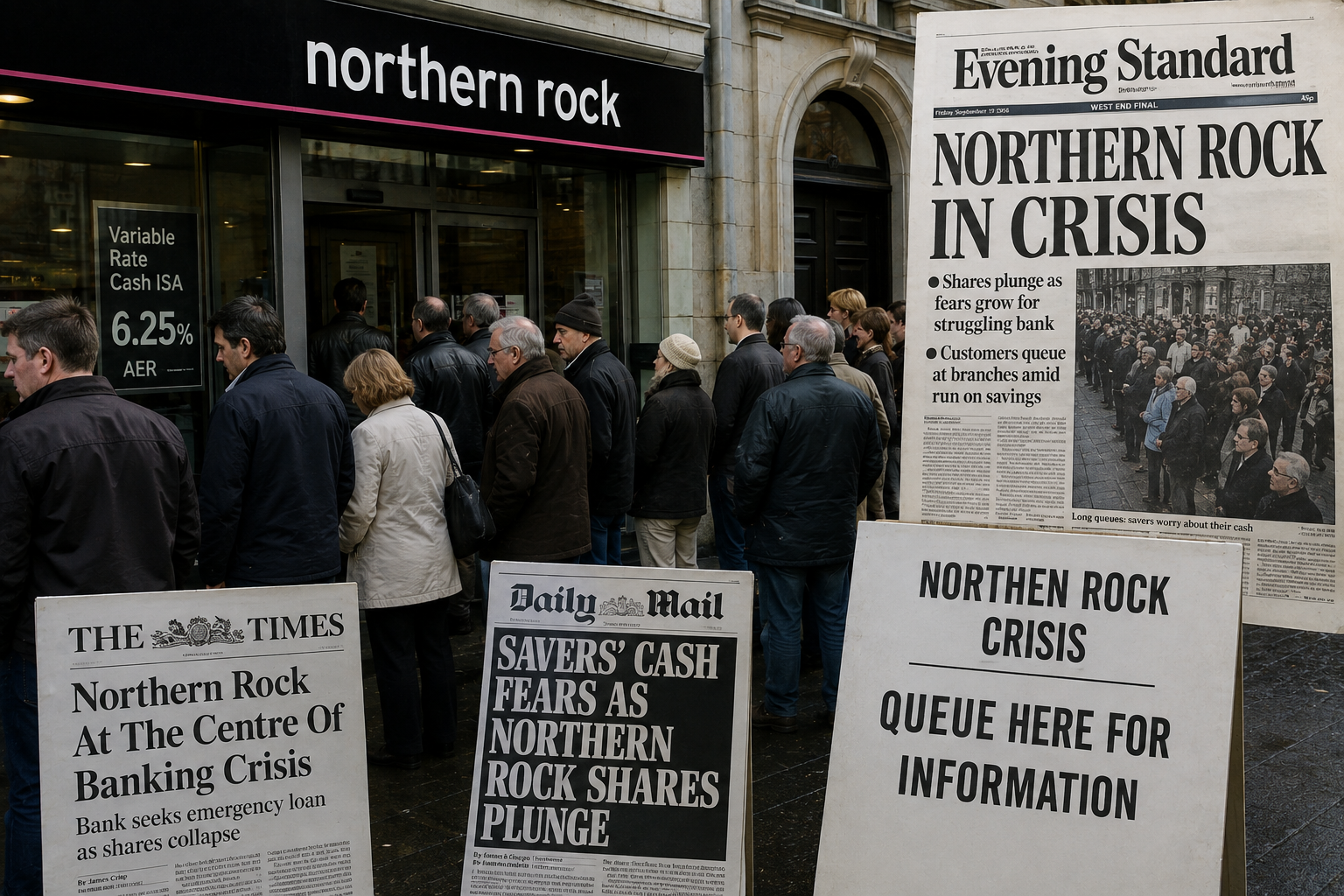
The crisis did not appear overnight. It grew slowly, through small disappointments that accumulated into doubt.
The Digital Shift That Changed Expectations
Banks embraced digital transformation with enthusiasm. Mobile apps, instant transfers, biometric logins, and automated chat systems became the new standard. These innovations were meant to strengthen trust. Instead, they created a new kind of distance.
Customers now interact with screens more than people. When something goes wrong, they often face long waits, confusing processes, or generic responses. The convenience of digital banking is real, but so is the emotional disconnect.
People do not trust systems. They trust humans. When the human element fades, trust becomes fragile.
The Transparency Problem
Modern customers expect clarity. They want to understand fees, interest rates, loan terms, and data usage. Many banks still communicate in complex language that feels designed to obscure rather than explain.
This lack of transparency creates suspicion. Customers begin to wonder what else is hidden. They question whether the institution is acting in their best interest. Once that question appears, trust begins to erode.
Transparency is not a feature. It is a foundation.
The Emotional Side of Money
Money is not just numbers. It is security, opportunity, identity, and hope. When people choose a bank, they are not choosing a service. They are choosing a partner in their financial life.
This is why trust matters so deeply. When a bank fails to support a customer during a crisis, the emotional impact is enormous. When a bank makes a mistake, the consequences feel personal. When a bank seems indifferent, customers feel betrayed.
The trust crisis is not about technology. It is about emotion.
The Rise of Alternatives
Fintech companies have stepped into the gap with confidence. They offer simple interfaces, clear communication, and fast support. They speak the language of modern customers. They position themselves as allies rather than institutions.
This shift has created a new competitive landscape. Customers now compare banks not only with each other but with digital challengers who promise transparency and empathy.
The trust crisis is not only internal. It is external. Banks are losing trust to competitors who understand the modern customer better.
The Cultural Disconnect
Many banks still operate with a traditional mindset. Hierarchies are rigid. Processes are slow. Innovation is cautious. Customers, meanwhile, live in a world that moves quickly and rewards agility.
This cultural mismatch creates frustration. Customers expect responsiveness. Banks often deliver bureaucracy. The gap between expectation and reality widens, and trust slips further.
Culture is not a soft concept. It is a strategic asset.
The Path Forward
The trust crisis is not irreversible. Banks can rebuild confidence, but it requires more than new features. It requires a shift in philosophy.
Banks must listen more. They must communicate clearly. They must simplify processes. They must invest in human support. They must treat customers as partners rather than account numbers.
Trust is earned through behaviour, not branding.
What Customers Want Now
Customers want reassurance. They want clarity. They want fairness. They want empathy. They want to feel that their bank understands their life, not just their balance.
They want to know that their data is safe. They want to know that their concerns matter. They want to know that their bank will stand with them during difficult moments.
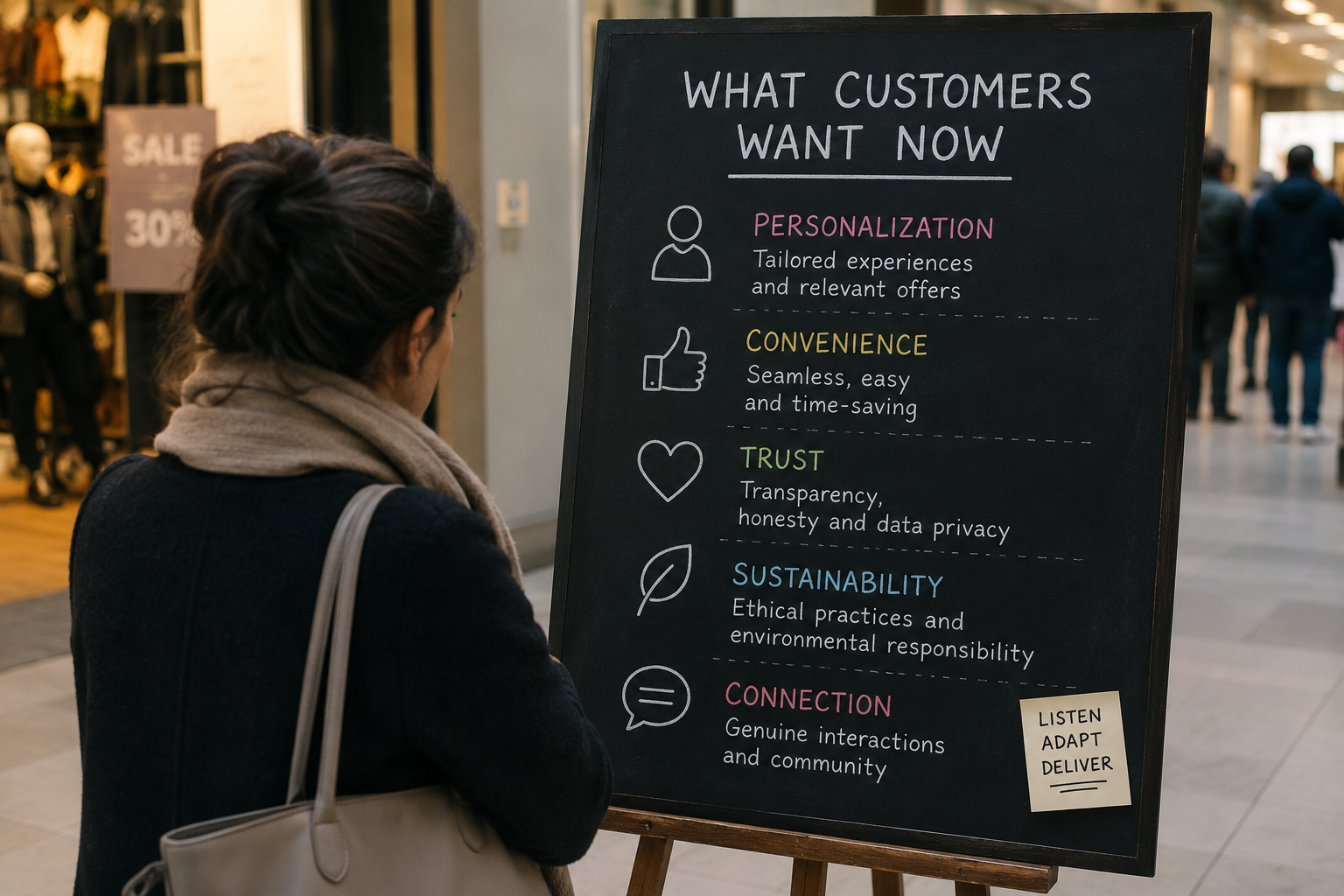
Trust is not built through promises. It is built through presence.
What Founders and Innovators Should Learn
The trust crisis is a signal. It shows where the opportunities lie.
Founders who build financial products that prioritise transparency, human support, and emotional intelligence will thrive. Innovators who design systems that feel personal rather than mechanical will win loyalty. Companies that treat trust as a core metric will shape the future of finance.
The next generation of financial leaders will not be defined by technology alone. They will be defined by empathy.
A Closing Reflection
The banking customer trust crisis is not a failure. It is a wake up call. It is a reminder that financial systems are built on human belief. When belief weakens, the system must evolve.
Banks have the chance to rebuild trust in a way that is stronger, more transparent, and more human than ever before. The question is whether they will choose to.
Trust is not a commodity. It is a relationship. And relationships must be nurtured.
Categories