The Future of Ride Hailing
Ride hailing began as a simple idea. A person taps a button, a car arrives, and a journey begins. It felt magical at first. It felt like the future arriving early. Over time, it became normal. It became part of daily life in cities around the world. Yet beneath this familiarity, the industry is entering a new era. The future of ride hailing will not look like its past. It will be shaped by technology, regulation, culture, economics, and the changing expectations of passengers and drivers.
The story of ride hailing is not only about transportation. It is about how people move, how cities breathe, how technology reshapes behaviour, and how societies negotiate convenience and responsibility. The next chapter will be defined by transformation rather than expansion.
The Shift From Convenience to Infrastructure
Ride hailing once positioned itself as a convenience. It was a faster alternative to taxis, a flexible option for commuters, and a reliable solution for late night travel. Today, ride hailing is becoming part of urban infrastructure. Cities rely on it to fill gaps in public transport. Businesses rely on it to move employees. Families rely on it for school runs, medical appointments, and daily errands.
This shift changes everything. When a service becomes infrastructure, expectations rise. People expect reliability, safety, fairness, and transparency. Governments expect compliance, data sharing, and accountability. Ride hailing companies must evolve from disruptors to partners. They must operate with the responsibility of public service providers.
The future of ride hailing will be shaped by this new identity.
The Rise of Autonomous Ride Hailing
Autonomous vehicles are no longer theoretical. They are being tested in cities, integrated into pilot programs, and refined through real world data. The future of ride hailing will be deeply connected to autonomous technology.
Autonomous ride hailing promises several changes. It promises lower operating costs because there are no drivers to pay. It promises consistent service because machines do not get tired. It promises safer journeys because autonomous systems do not get distracted. It promises new business models because fleets can operate continuously.
Yet autonomy also raises questions. What happens to drivers who rely on ride hailing for income. How do cities regulate vehicles that operate without human oversight. How do passengers feel about riding in a car with no driver. How do companies ensure safety in unpredictable environments.
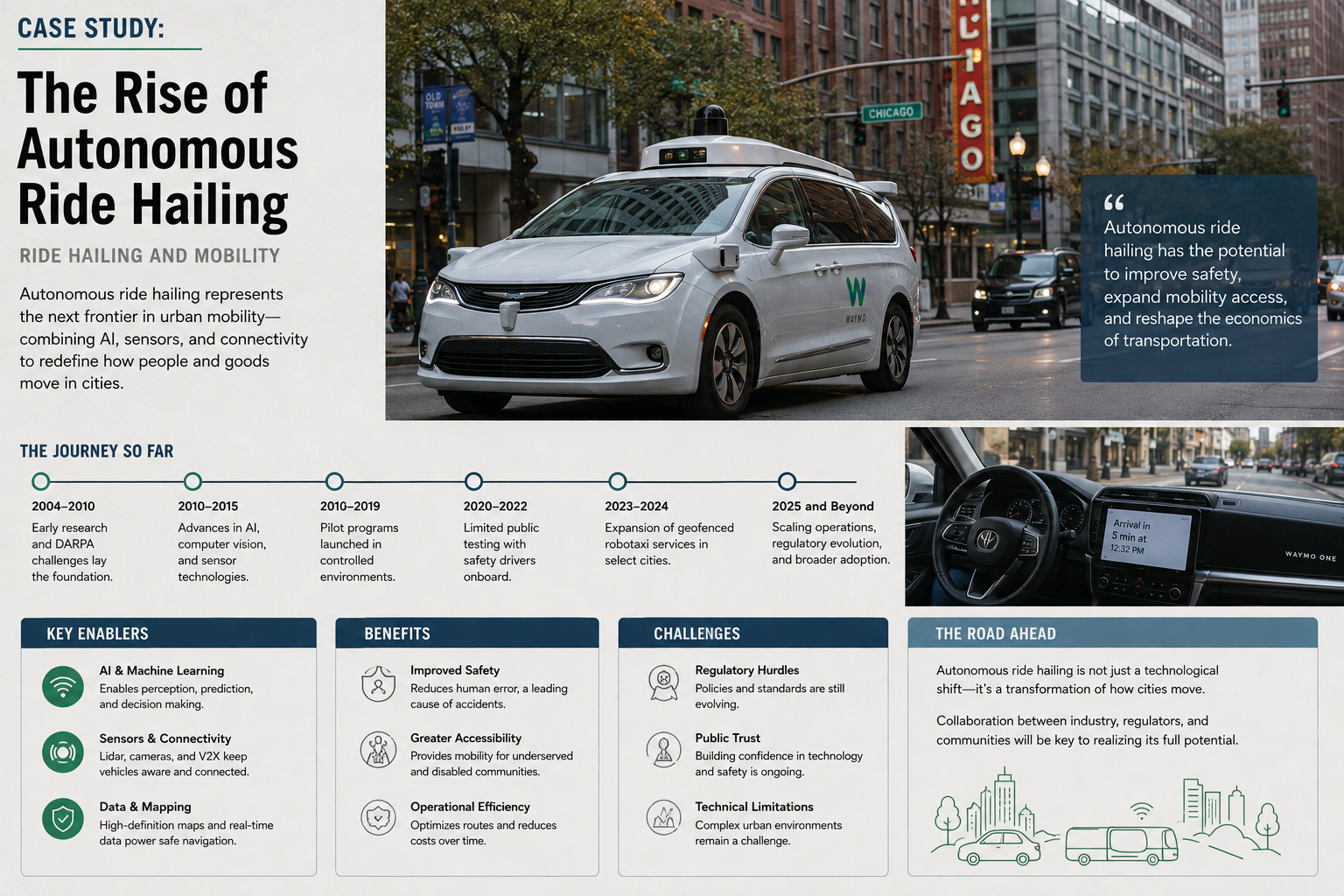
Autonomy will reshape ride hailing, but it will also reshape society.
The Evolution of Driver Experience
Drivers are the backbone of ride hailing. Their experience will shape the future of the industry. Many drivers face challenges. They deal with fluctuating earnings, rising fuel costs, unpredictable demand, and complex rating systems. They navigate safety concerns, long hours, and the emotional labour of interacting with strangers.
The future of ride hailing must address these challenges. Companies will need to offer better support, clearer communication, and more stable earning structures. They will need to invest in driver wellbeing. They will need to create systems that treat drivers as partners rather than temporary labour.
Driver experience will become a competitive advantage. Companies that support drivers will attract more drivers. Companies that neglect drivers will struggle.
The future of ride hailing will be shaped by how well drivers are treated.
The Transformation of Passenger Expectations
Passengers are changing. They want more than a ride. They want comfort, safety, transparency, and predictability. They want clear pricing. They want reliable arrival times. They want respectful interactions. They want vehicles that feel clean and well maintained. They want technology that works smoothly.
Passengers also want choice. They want to select vehicle types, comfort levels, and environmental impact. They want to choose between shared rides and private rides. They want to choose between fast routes and scenic routes. They want to choose between human drivers and autonomous vehicles.
The future of ride hailing will be shaped by these expectations. Companies will need to personalise experiences. They will need to offer flexible options. They will need to build trust through consistency.
Passenger expectations will drive innovation.
The Role of Sustainability
Ride hailing has a complex relationship with sustainability. On one hand, it reduces the need for personal car ownership. On the other hand, it increases the number of vehicles on the road. The future of ride hailing will require a deeper commitment to environmental responsibility.
Electric vehicles will become central to ride hailing fleets. Cities will encourage or mandate electric adoption. Companies will invest in charging infrastructure. Passengers will prefer electric rides for environmental reasons.
Shared rides will also grow. They reduce emissions, reduce congestion, and reduce costs. The future of ride hailing will include more shared options that feel comfortable and efficient.
Sustainability will become a defining feature of ride hailing.
The Influence of Regulation
Governments around the world are rethinking how ride hailing should be regulated. They want to protect drivers. They want to ensure safety. They want to manage congestion. They want to integrate ride hailing into public transport systems.
Regulation will shape the future of ride hailing in several ways. It will influence pricing. It will influence fleet composition. It will influence driver classification. It will influence data sharing. It will influence operational boundaries.
Ride hailing companies will need to collaborate with governments rather than challenge them. The future will be built through partnership rather than conflict.
Regulation will become a central force in the evolution of ride hailing.
The Expansion Beyond Cars
Ride hailing will not be limited to cars. The future will include multiple modes of transport. Bikes. Scooters. Motorcycles. Autonomous pods. Micro shuttles. Even flying taxis in some regions.
This expansion will create new ecosystems. It will allow passengers to choose the most efficient mode for each journey. It will reduce congestion. It will support sustainability. It will create new business models.
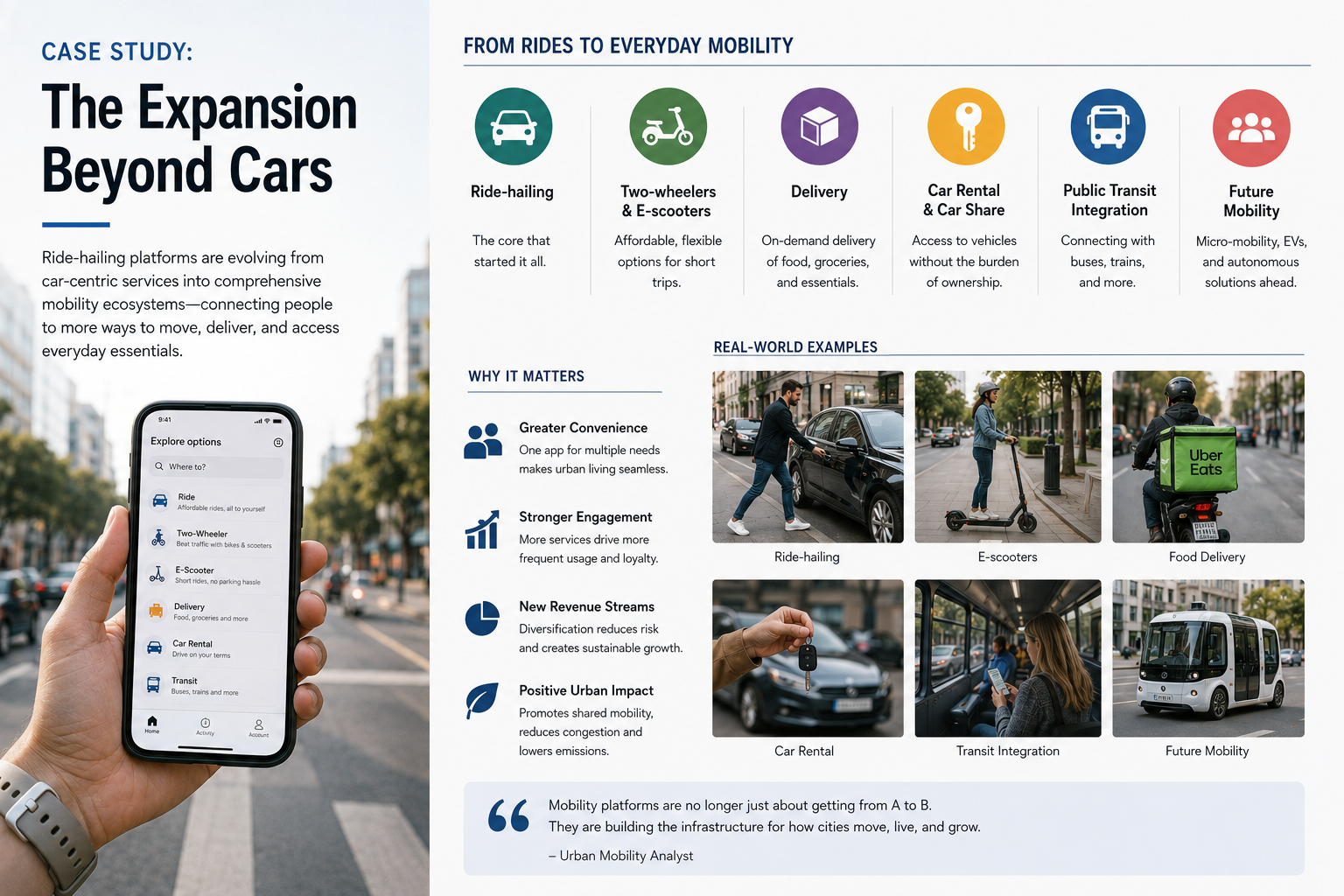
Ride hailing will become a multi modal mobility network.
The Integration With Daily Life
Ride hailing will become more integrated with daily life. It will connect with calendars, workplaces, schools, hospitals, and entertainment venues. It will become part of routines. It will become part of planning. It will become part of community life.
This integration will require new technology. It will require predictive systems that understand passenger needs. It will require partnerships with businesses and institutions. It will require seamless coordination.
Ride hailing will become a personalised mobility assistant.
The Future of Ride Hailing Will Be Human
Despite the rise of autonomy, technology, and regulation, the future of ride hailing will remain deeply human. It will be shaped by how people feel, how people move, and how people connect. It will be shaped by trust, comfort, safety, and community.
Ride hailing began as a technological innovation. It will evolve into a cultural service. It will reflect the values of the societies it serves. It will adapt to the needs of passengers and drivers. It will become a mirror of urban life.
The future of ride hailing is not only about vehicles. It is about people.
A Closing Reflection
Ride hailing is entering a new era. It will be shaped by autonomy, sustainability, regulation, competition, and cultural change. It will evolve from convenience to infrastructure. It will expand beyond cars. It will integrate with daily life. It will redefine how cities move.
The future of ride hailing will be complex, dynamic, and transformative. It will require courage, creativity, and responsibility. It will require companies to listen, adapt, and innovate. It will require societies to rethink mobility.
Ride hailing is not just transportation. It is a reflection of how people live. Its future will shape the future of cities.
Categories